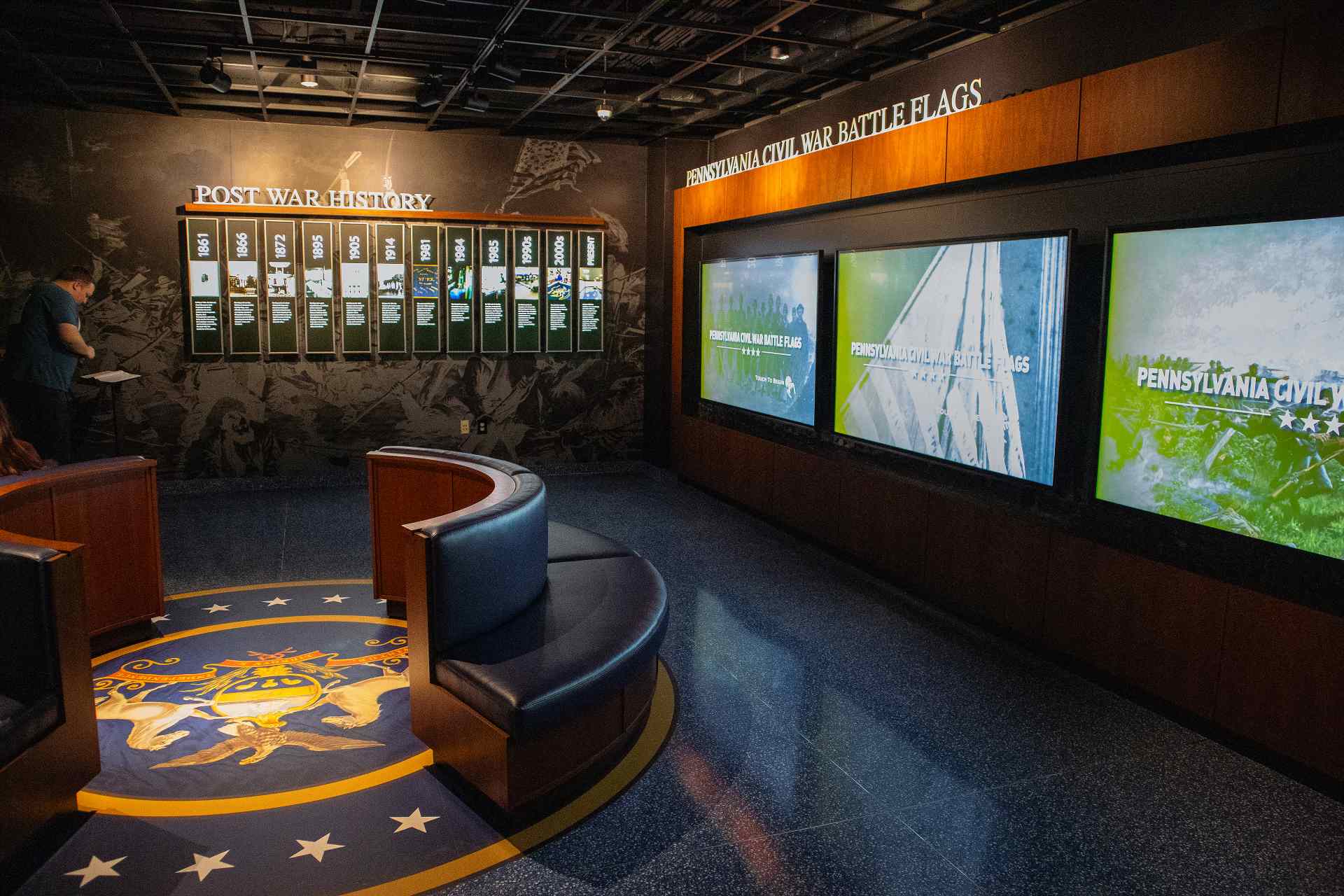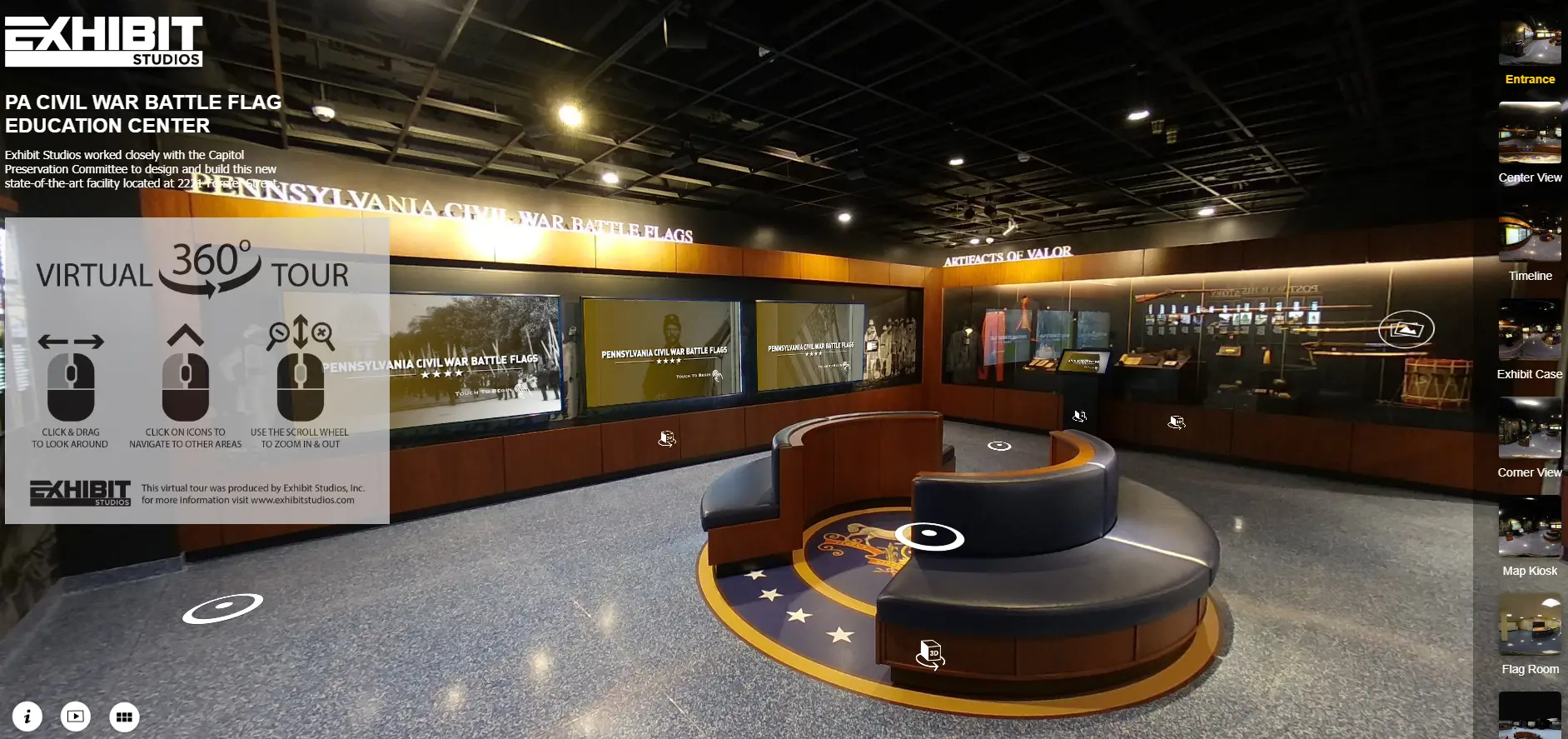







Lighting and Mounting Artifacts: Curatorial Display Best Practices
How artifacts are lit, mounted, and protected directly impacts their longevity and how effectively they communicate their story. Following artifact display best practices ensures a successful exhibit balances visibility with preservation, keeping artifacts secure while engaging visitors in a meaningful way.
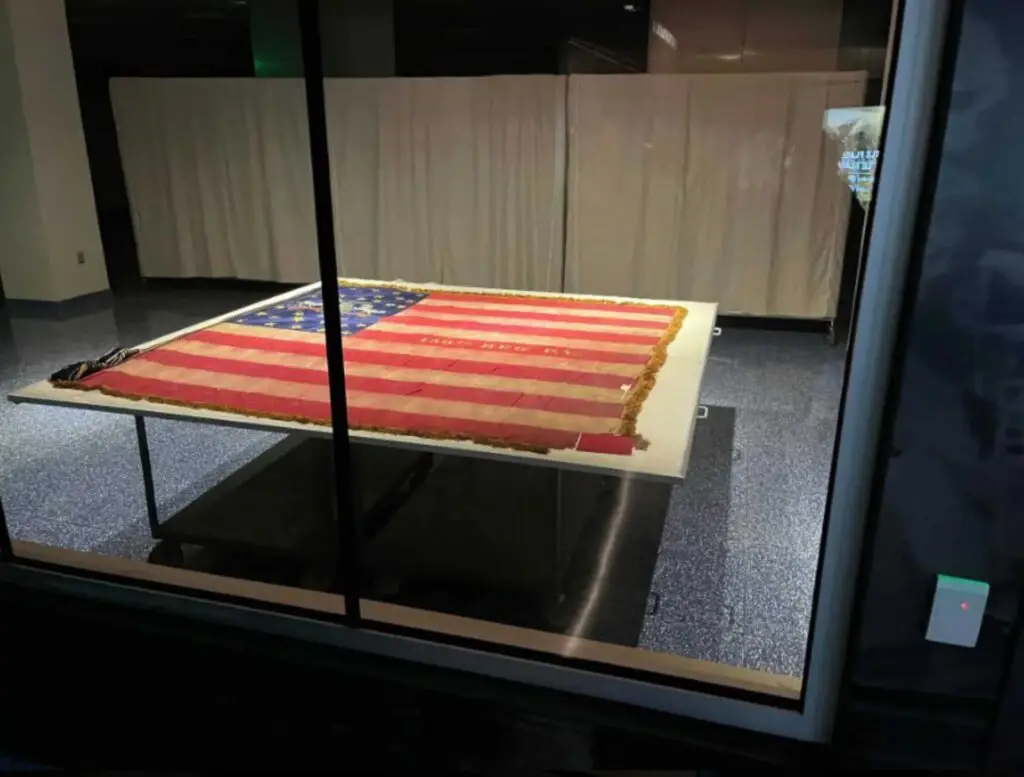
From museums and cultural institutions to corporate experience centers, thoughtful curatorial display design goes beyond aesthetics. It requires a deep understanding of environmental conditions, lighting effects, and mounting methods that safeguard each artifact’s integrity.
Why Preservation and Visibility Must Work Together
Artifacts are often sensitive to light, vibration, temperature, and humidity. Improper display conditions can cause fading, warping, cracking, or structural stress over time. At the same time, poor visibility can diminish an artifact’s impact, making it harder for visitors to connect with its significance.
Exhibition artifact preservation depends on finding the right balance. Displays should reveal important details and support storytelling without accelerating deterioration. This balance is best achieved when designers, fabricators, and curatorial experts collaborate early in the process.

Risks of Improper Lighting and Environmental Exposure
Museum display lighting plays a major role in both preservation and visitor experience. Excessive light levels, especially from UV sources, can permanently damage textiles, paper, photographs, and organic materials. Heat generated by certain fixtures can also alter an artifact’s condition.
Environmental exposure adds another layer of risk. Fluctuating humidity or temperature can cause materials to expand and contract, leading to long-term damage. Dust and airborne contaminants can accumulate on surfaces, particularly in open displays.
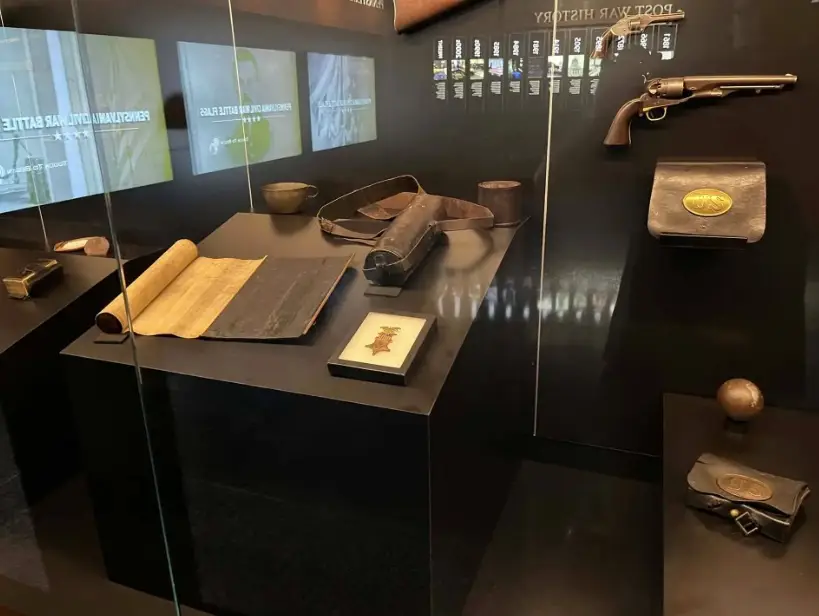
Custom display cases are often used to mitigate these risks by creating controlled micro-environments. When designed properly, they protect artifacts while still allowing clear sightlines and interpretive graphics.
Best Practices for Exhibition Lighting
Effective lighting starts with selecting the right type of fixture. LED lighting is widely preferred for artifact displays due to its low heat output, energy efficiency, and reduced UV emission. LEDs also offer precise control over color temperature, which helps maintain accurate visual representation.
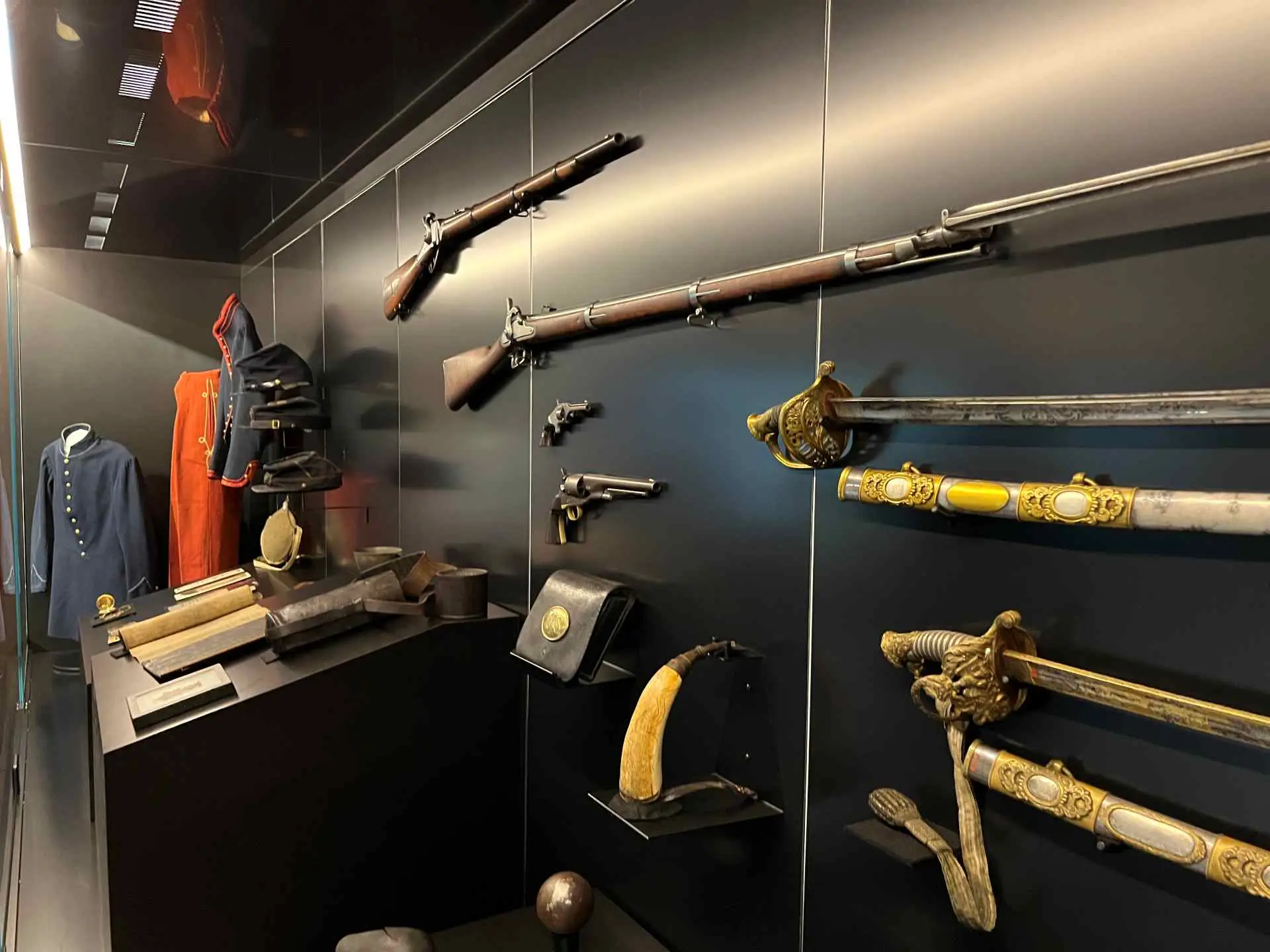
Lighting angles are equally important. Fixtures should be positioned to minimize glare and harsh shadows while highlighting key features. Angled lighting often works better than direct overhead light, especially for dimensional objects.
Light intensity should be carefully calibrated based on the artifact’s material. More sensitive items require lower light levels, even if that means a subtler presentation. Consistent lighting across the exhibit also helps create a cohesive and professional experience.
Secure and Non-Invasive Artifact Mounting Techniques
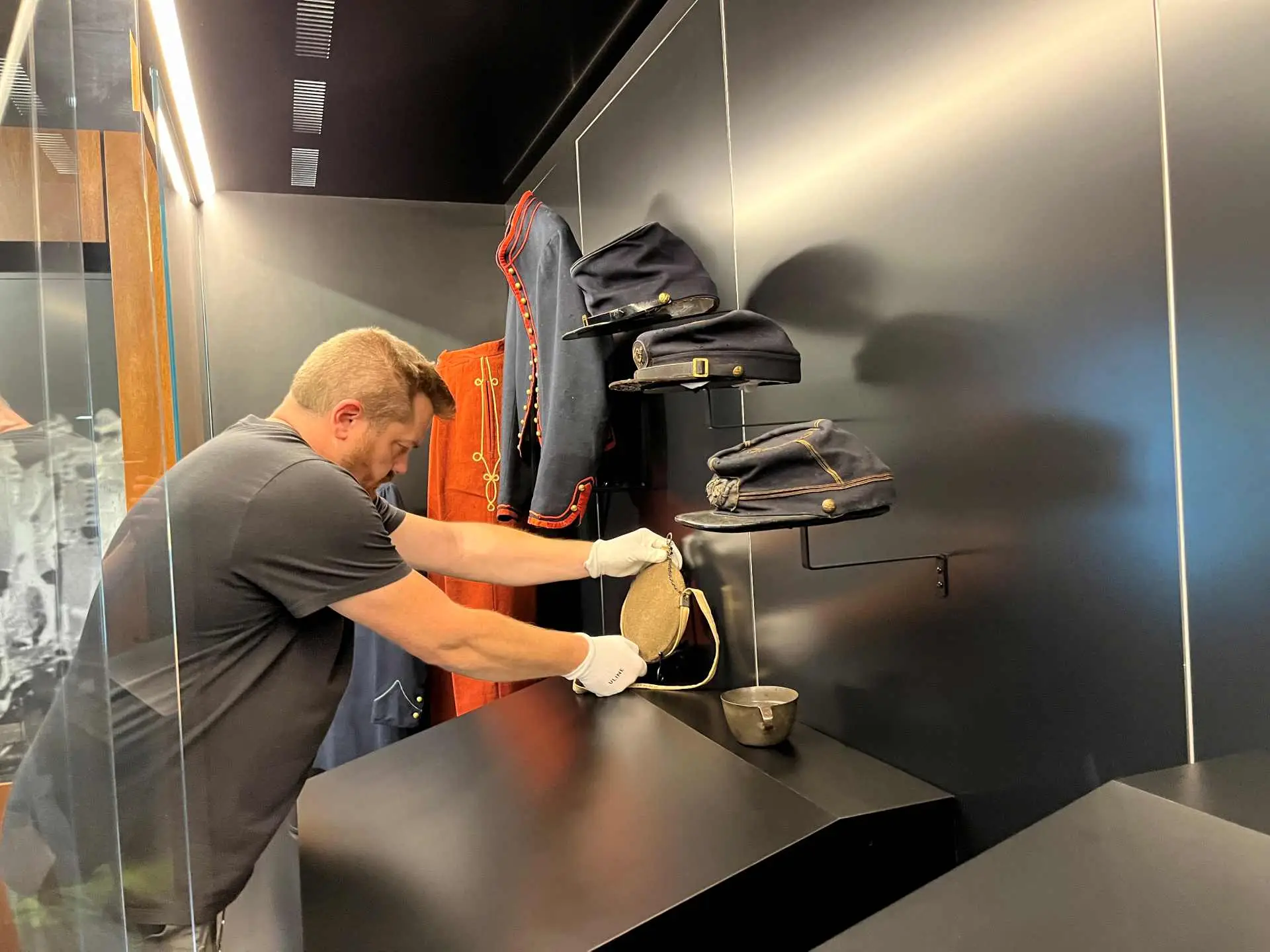
Artifact mounting techniques should always prioritize stability without causing physical stress or permanent alteration. Non-invasive mounts are designed to support objects at natural structural points, distributing weight evenly and avoiding pressure on fragile areas.
Materials used for mounts should be inert and archival, ensuring they do not react with the artifact over time. Custom mounts are often necessary for irregular shapes or delicate items, allowing for a tailored solution that enhances both safety and presentation.
Security is another key consideration. Mounts should prevent movement or vibration while also deterring handling or theft. Well-designed mounting systems keep artifacts secure without drawing attention away from the object itself.

Collaboration Between Design and Curatorial Standards
The most successful exhibits result from close collaboration between exhibit designers, fabricators, and curatorial teams. Curatorial standards guide decisions around lighting levels, mounting methods, and environmental controls, while designers translate those requirements into engaging physical spaces.
This partnership ensures that curatorial display design supports long-term preservation while delivering a compelling visitor experience. Early coordination also helps avoid costly revisions and ensures that artifact care is built into the display from the start.
Display Artifacts With Care and Confidence
Thoughtful lighting, mounting, and environmental planning are fundamental to artifact display best practices. When these elements work together, exhibits protect what matters most while elevating storytelling and engagement.
Display artifacts with care and confidence. Partner with Exhibit Studios to design and build displays that protect integrity, meet curatorial standards, and elevate the visitor experience.