




A museum exhibit is not a backdrop. It is a built environment designed to teach, inspire, and create lasting impressions on every visitor who walks through it. The institutions that understand this invest accordingly. They engage partners who can handle the full scope of the work, from interpreting content and designing visitor journeys to fabricating durable structures and integrating technology that brings stories to life.
At Exhibit Studios, custom museum exhibit services are a specialized discipline. We work alongside curators, educators, and institutional teams to create exhibit environments that meet conservation standards, serve diverse audiences, and hold up over years of use. Here is what that work looks like in practice.
What Sets Custom Museum Exhibit Services Apart
Museum exhibit projects are fundamentally different from most exhibit spaces or temporary displays. The stakes are higher, the timelines are longer, and the performance requirements are more demanding.
A custom museum exhibit must:
- Communicate complex content in a way that is accurate, accessible, and engaging for diverse audiences
- Meet conservation and environmental requirements for artifact display and material off-gassing
- Comply with ADA accessibility standards for visitors of all ages and abilities
- Withstand years of daily visitor interaction without significant degradation
- Reflect the institutional identity and interpretive voice of the organization
General fabricators can build structures. Custom museum exhibit services providers build experiences. The difference lies in how the work is approached from the very first conversation.
The Design Process: Audience-Centered from the Start
Every custom museum exhibit project begins with a thorough understanding of the audience, the content, and the space. Before any design work starts, our team works directly with institutional staff to analyze the interpretive goals, visitor flow requirements, and accessibility needs that will shape every decision downstream.
Our design process for museum exhibits covers:
- Content analysis and interpretive framework development in collaboration with curators and educators
- Visitor journey mapping and traffic flow planning for the gallery or installation space
- Accessibility planning including ADA-compliant pathways, sight lines, reading levels, and tactile elements
- 3D concept development and rendered perspectives showing the exhibit environment at scale
- Material and finish specifications reviewed for conservation compatibility and long-term durability
We treat institutional staff as essential collaborators, not just approvers. The people who know the collection, the audience, and the mission are the same people who should be shaping the exhibit at every stage. Our process is built to support that collaboration.
Interactive Technology: Planning It Early Makes All the Difference
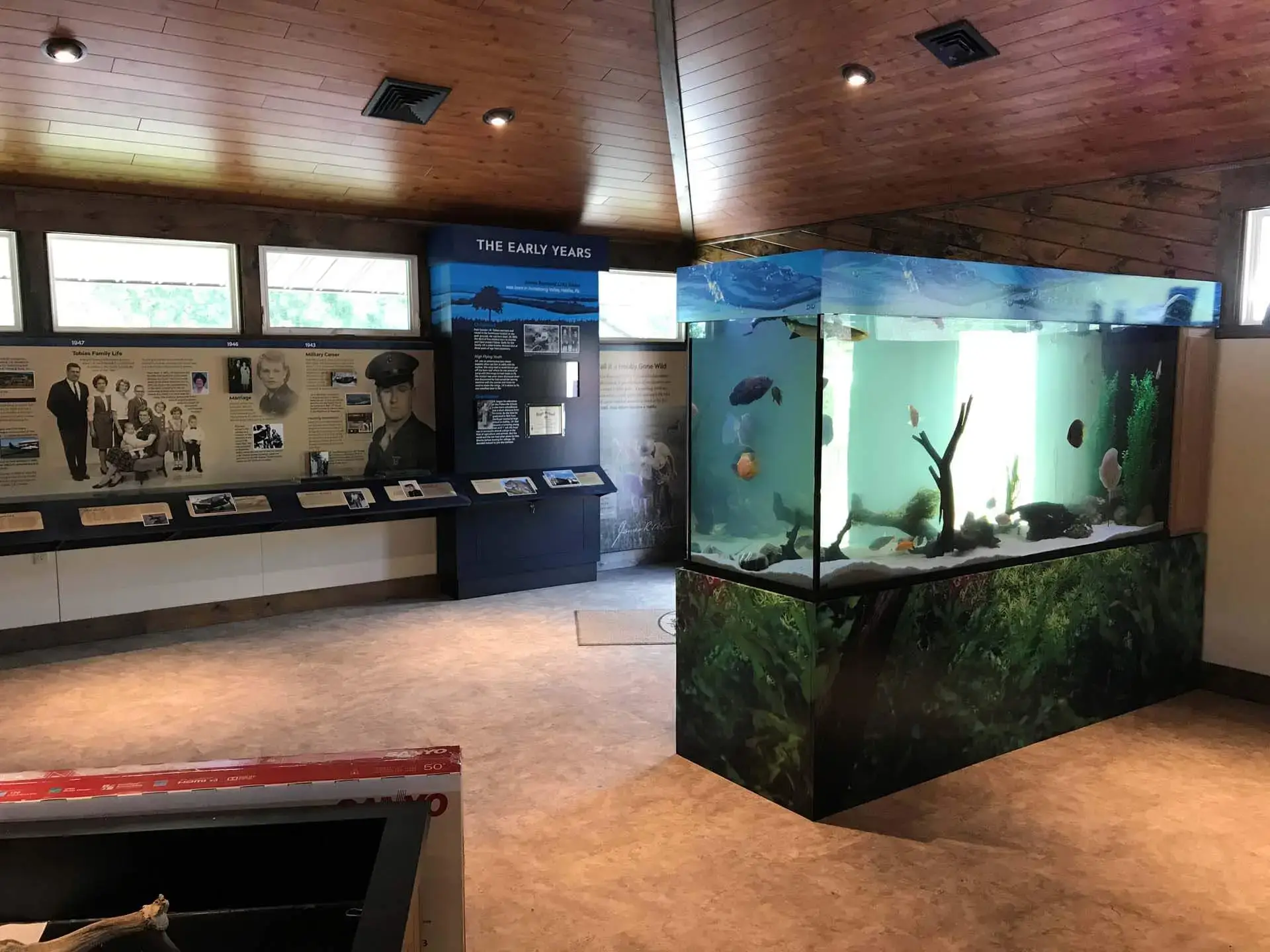
Interactive museum exhibits are no longer optional. Visitors expect engagement. Children’s museums, science centers, and history galleries alike rely on technology to deepen the visitor experience and make content accessible across learning styles and age groups.
Exhibit Studios integrates a full range of interactive technologies into custom museum builds, including:
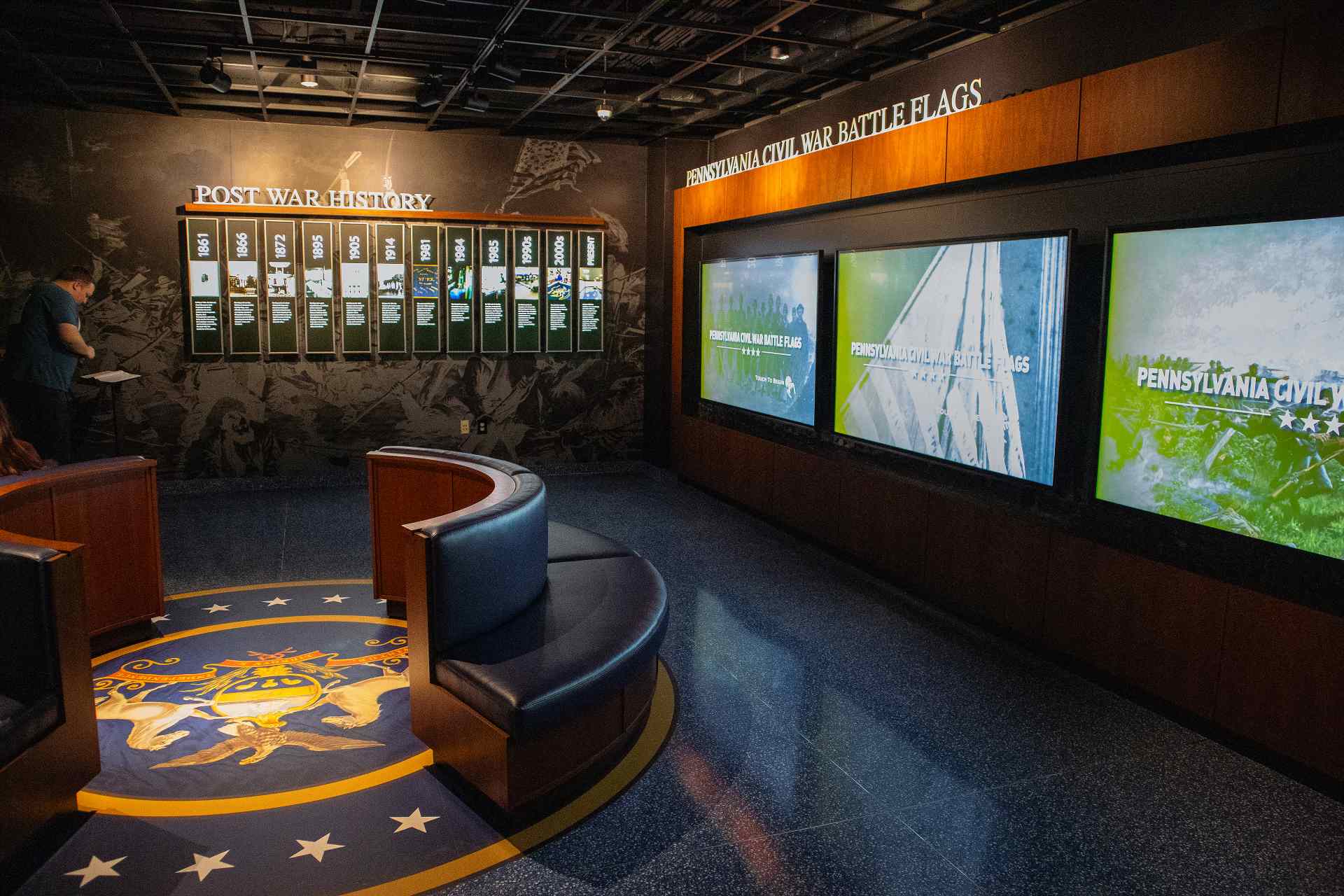
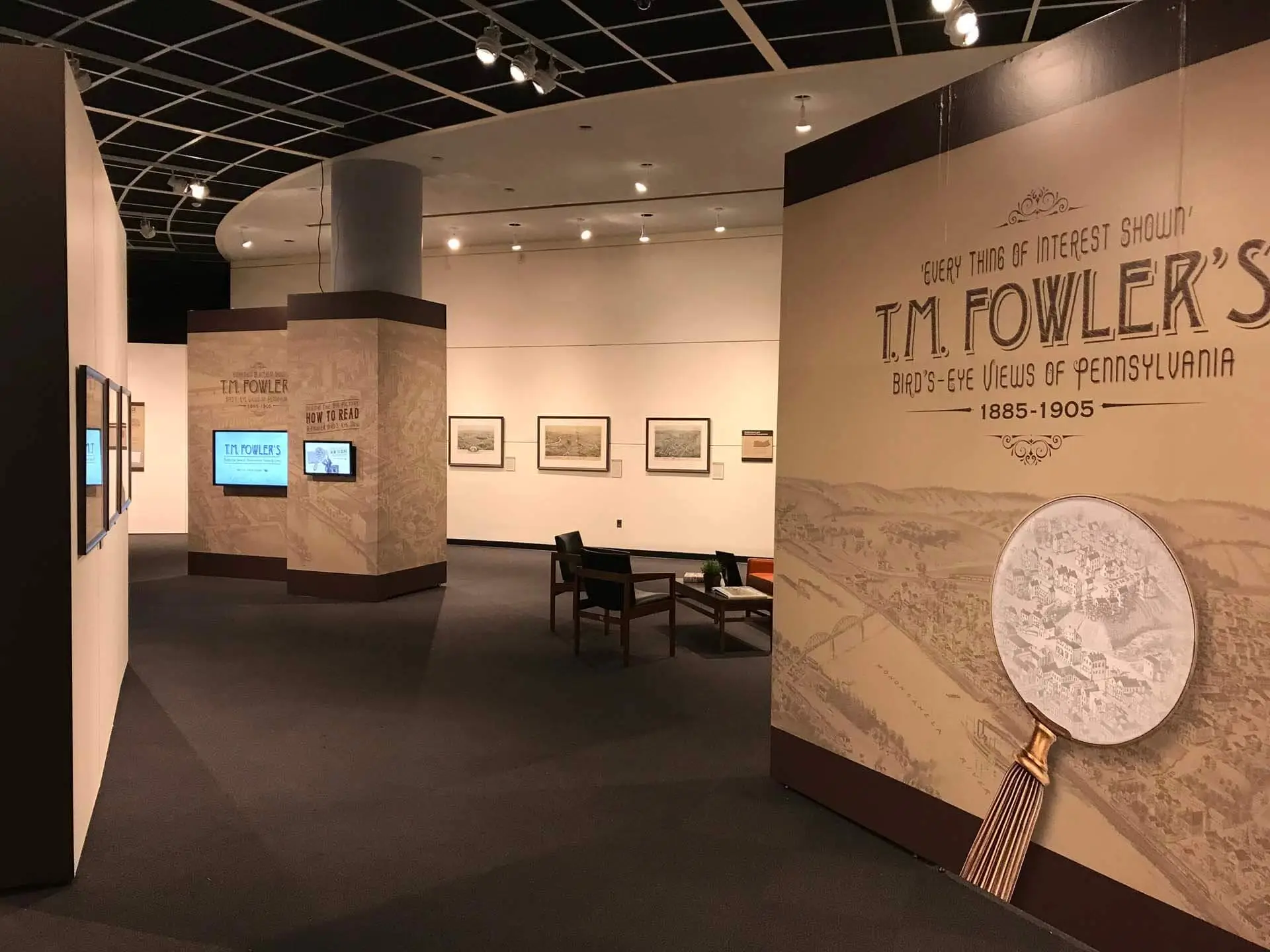
- Video walls and large-format digital displays for immersive content presentation
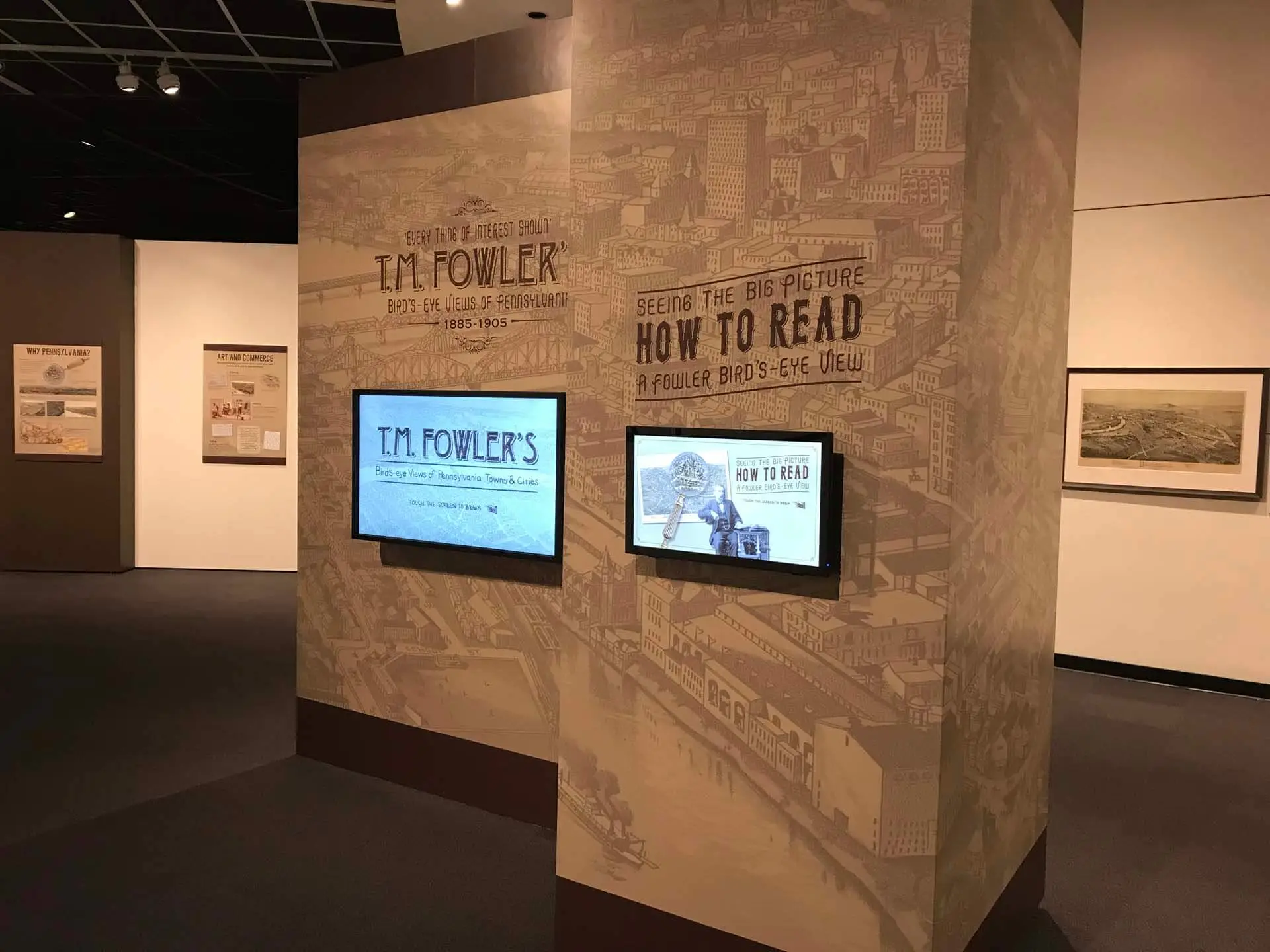
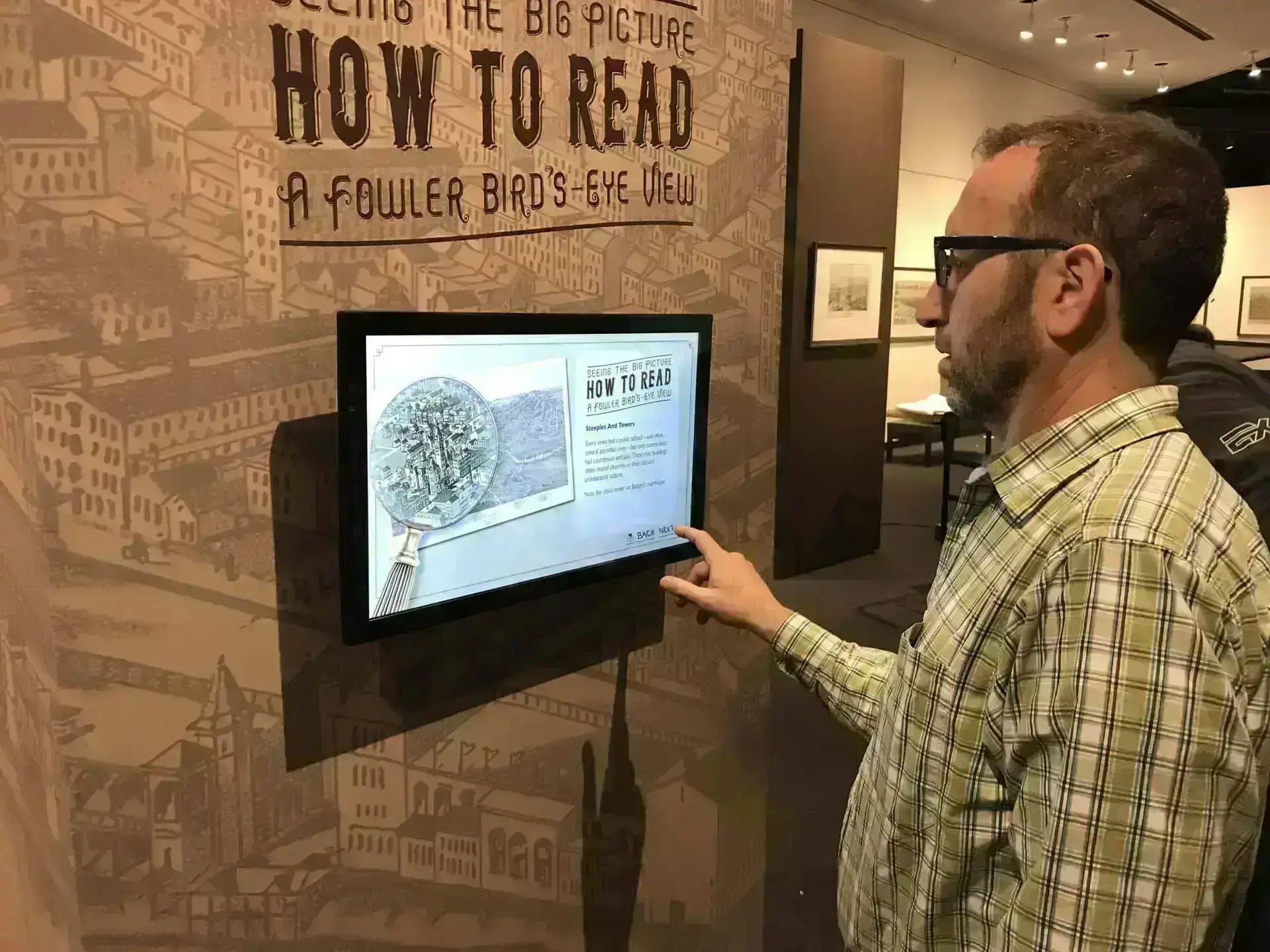
- Touchscreen kiosks and interactive learning stations
- Sensor-activated audio, lighting, and motion responses
- Tactile components and hands-on discovery elements
- Augmented reality and digital overlay experiences
- Accessible audio description and multilingual content delivery systems
The key to successful technology integration is planning. Interactive elements that are designed into the exhibit structure from the start perform better, look better, and cost less than technology added after the fact. Our team coordinates technology planning alongside structural design so the two work as a unified system.
In-House Fabrication: Built for Institutions, Not Just Events
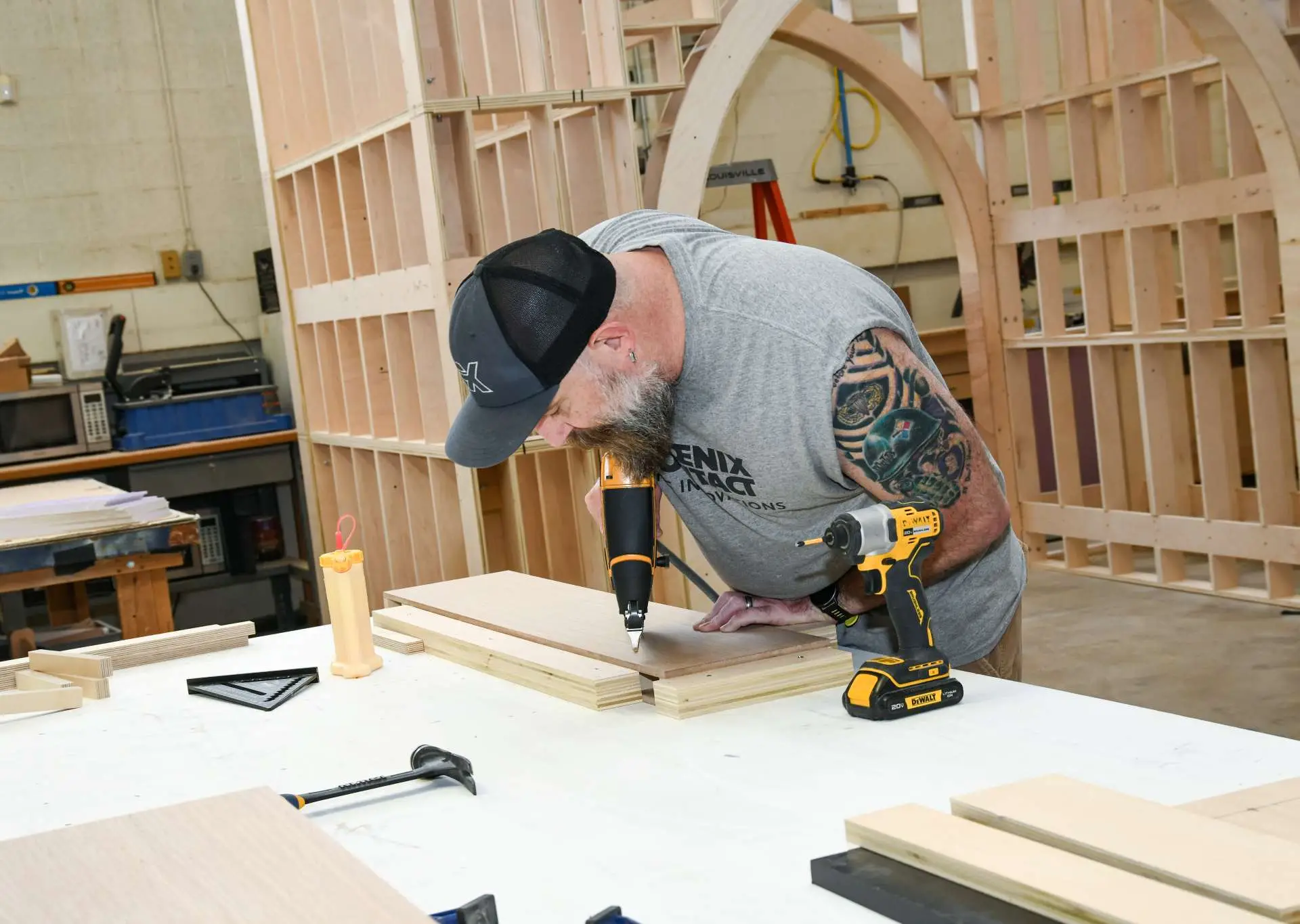
Our full production woodshop and fabrication facility handles the complete construction of custom museum exhibits. Every component is built in-house, which means tighter quality control, better coordination between design and production, and structures engineered specifically for the demands of institutional use.
Museum exhibit fabrication at Exhibit Studios includes:
- Custom millwork, cabinetry, and display case construction
- Metal, wood, and acrylic fabrication for structural and decorative elements
- Custom paint finishes, laminates, and surface treatments matched to institutional standards
- Integrated LED lighting systems designed for display accuracy and energy efficiency
- Modular construction for exhibits designed to travel or reconfigure across multiple venues
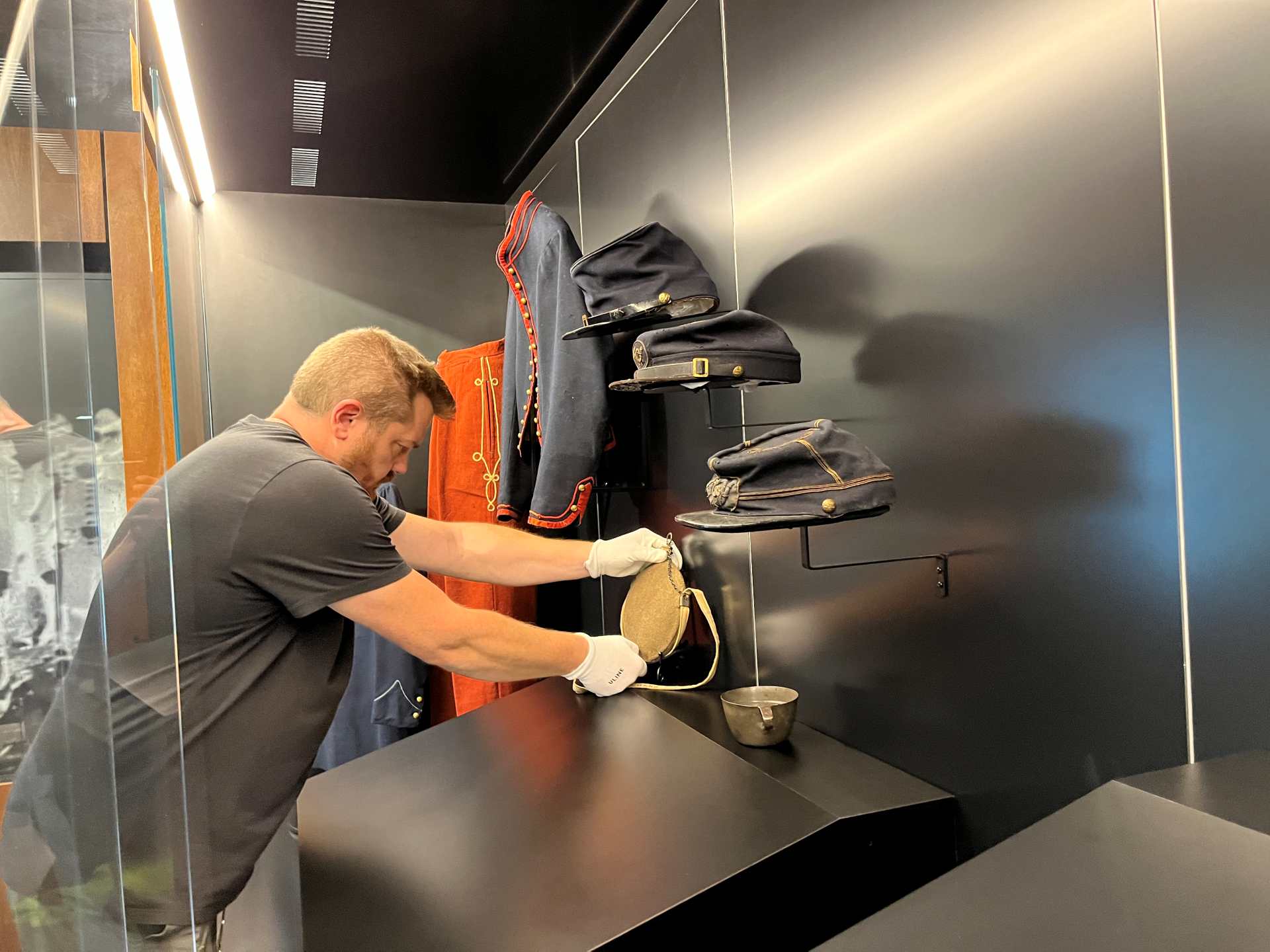
- Artifact mounting systems and conservation-aware display solutions
Durability is a primary design requirement for museum work. Exhibits in high-traffic environments are handled by thousands of visitors over years of operation. We engineer for that reality from the start.
Who We Build For
Custom museum exhibit services are not limited to large natural history institutions. Exhibit Studios works across a wide range of organizations and project types, each with its own audience, mission, and performance requirements.
History Museums and Cultural Centers
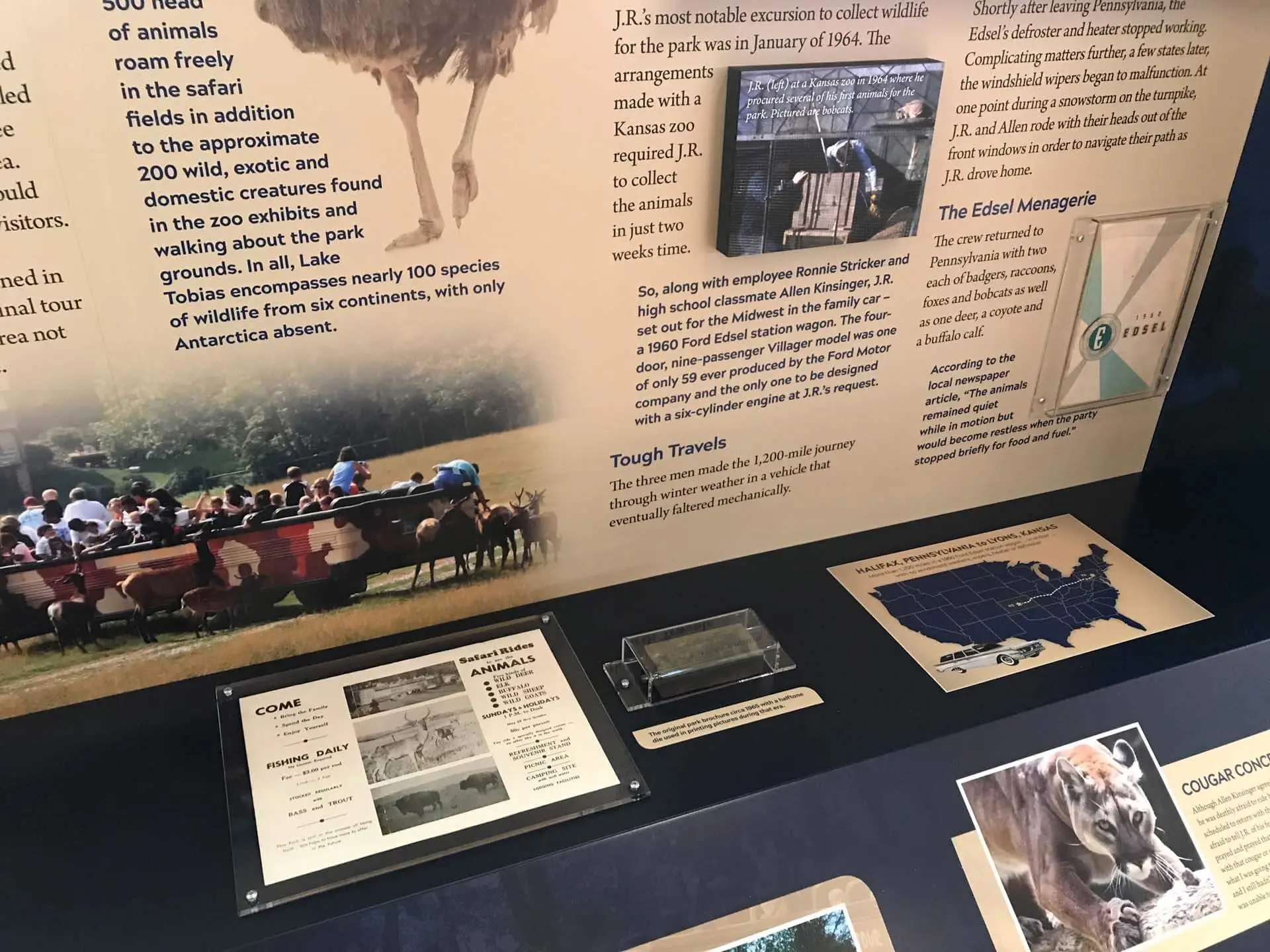
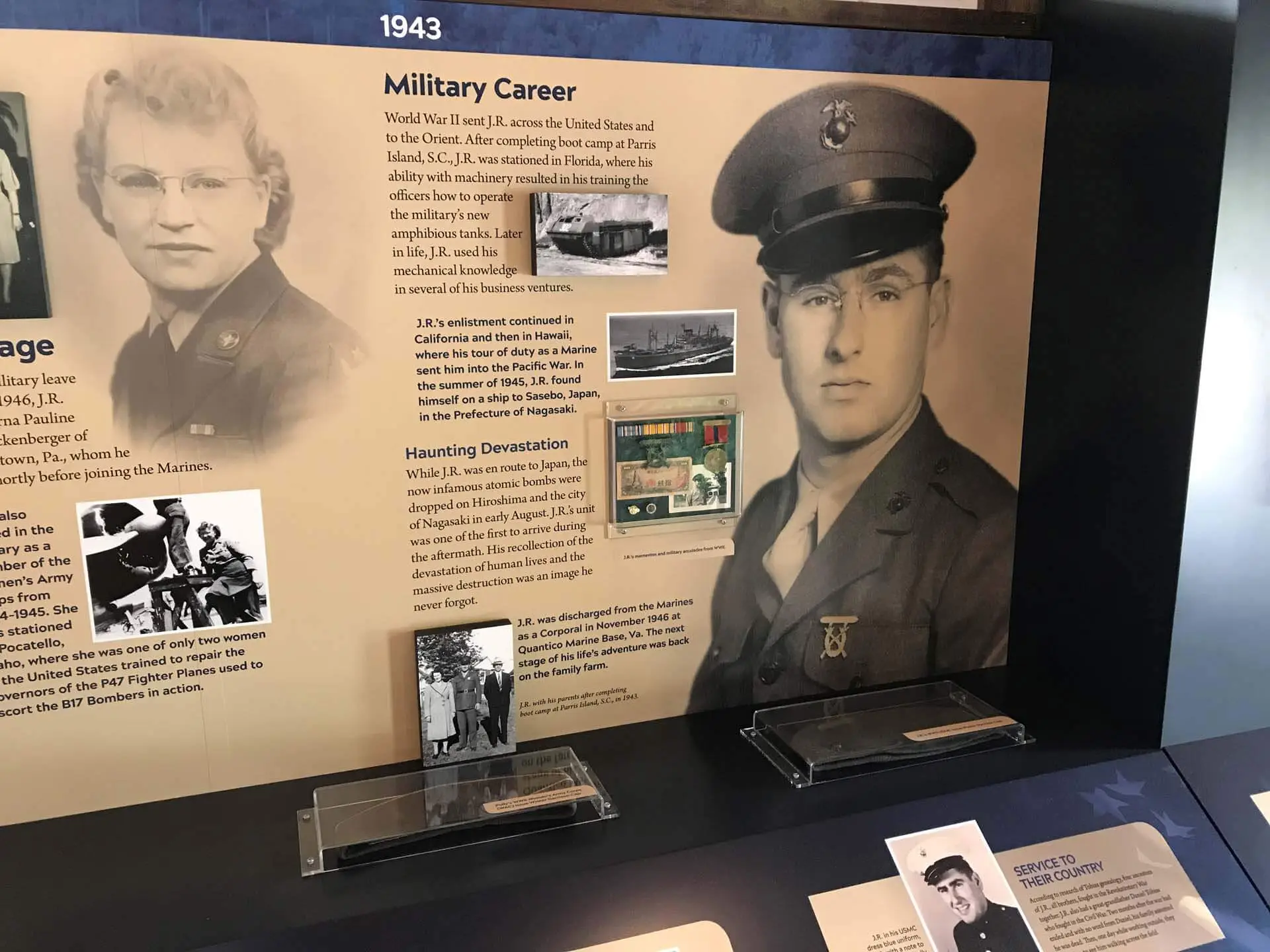
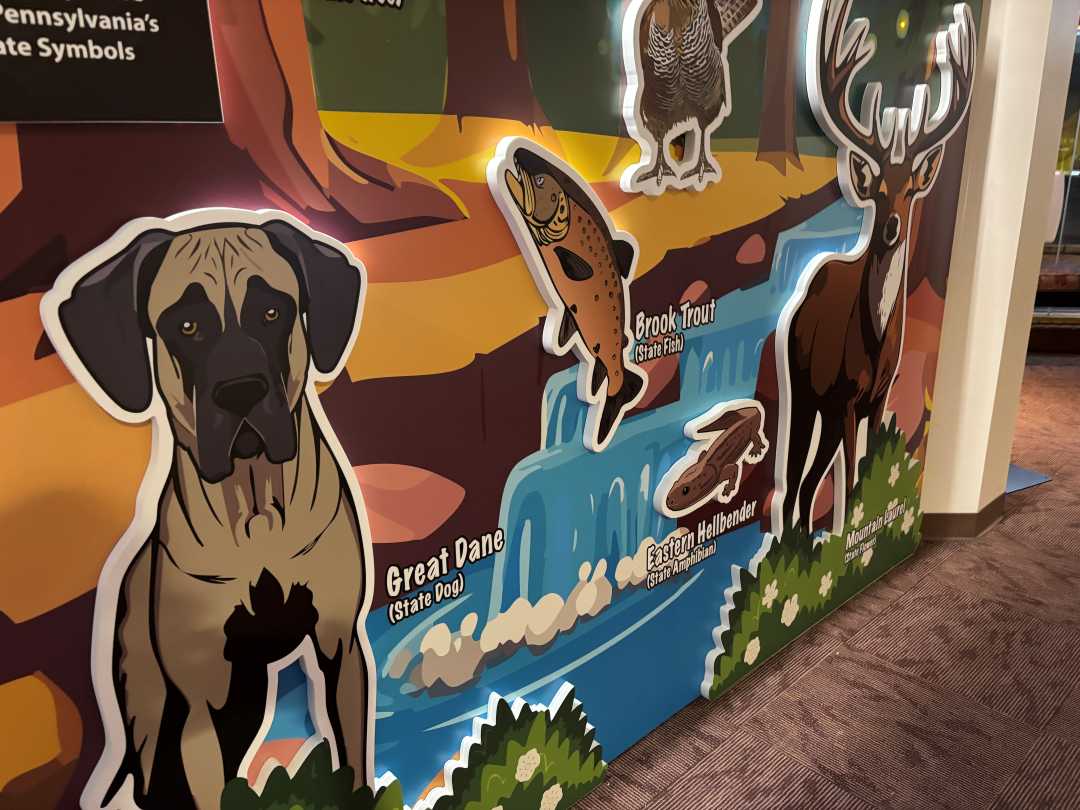
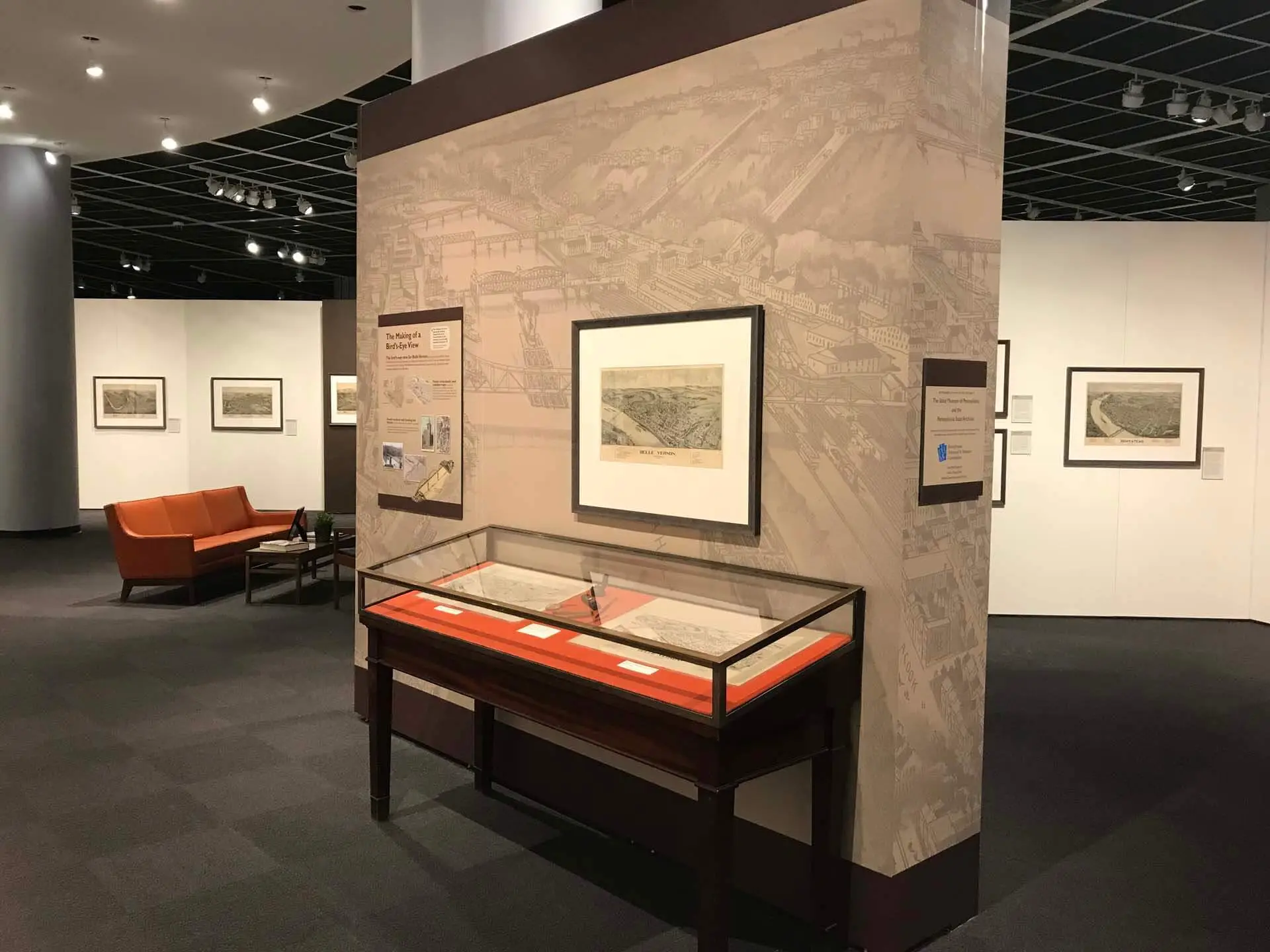
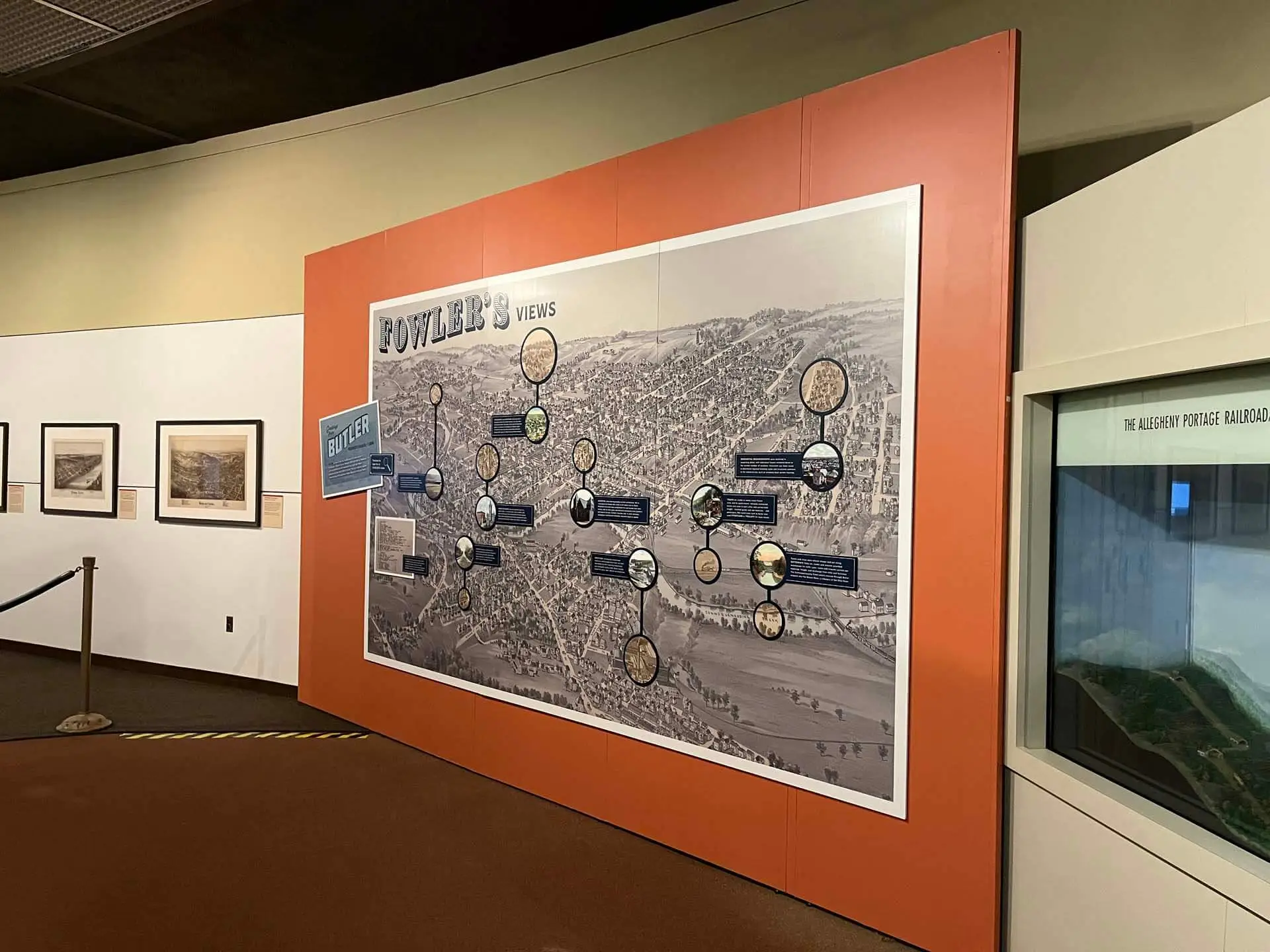
History-focused institutions require exhibit environments that honor the weight of their content while making it accessible to general audiences. We design and build gallery environments that balance interpretive rigor with visitor engagement, incorporating artifact displays, documentary imagery, and interactive timelines that bring historical narratives to life.
Children's Museums
Children’s museums demand a different kind of fabrication. Every surface, edge, and interactive element must be engineered for the physical demands of young visitors. We build discovery environments that are durable, sensory-rich, and designed to grow with an institution’s programming needs.
Science and Nature Centers
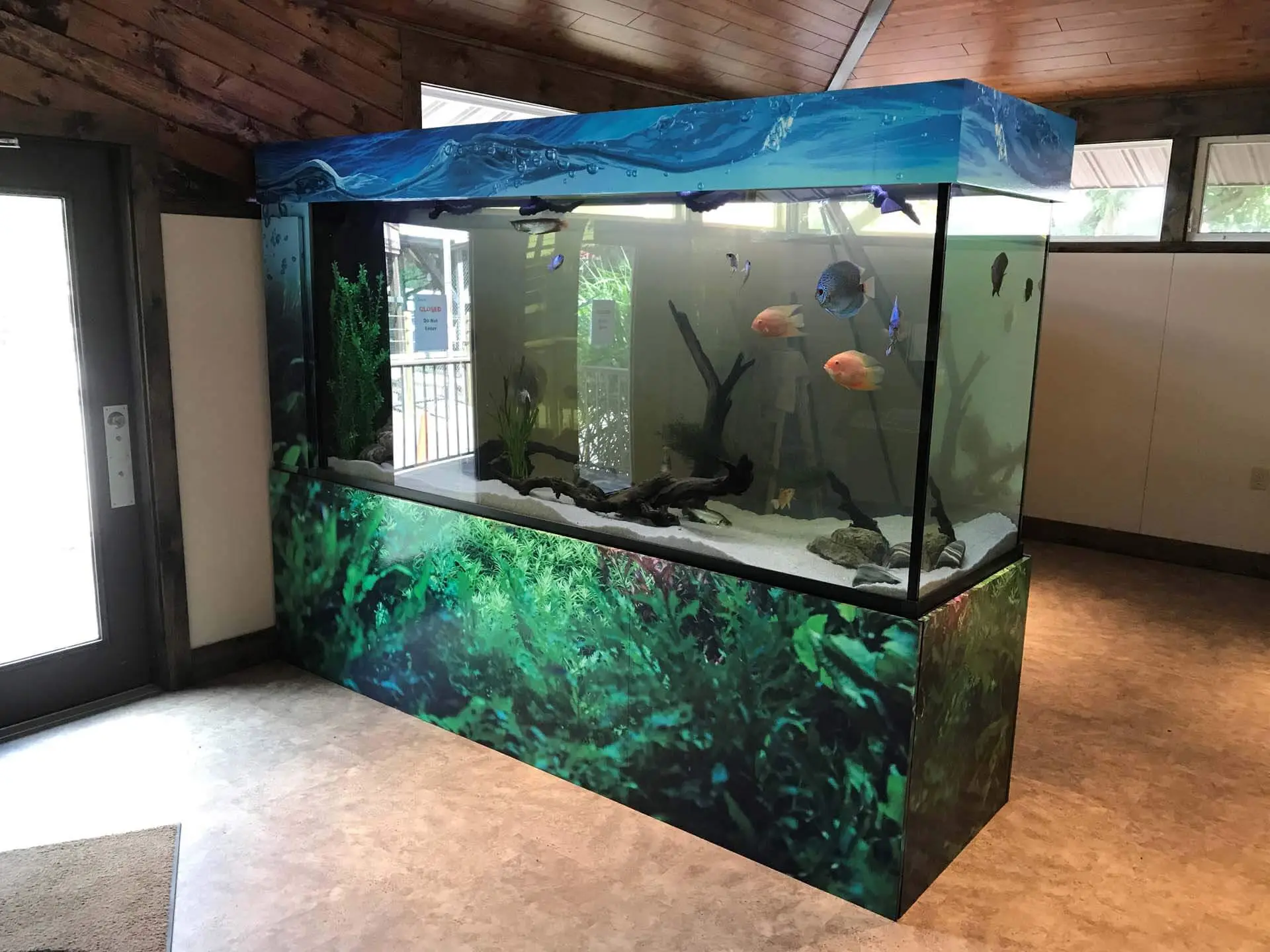
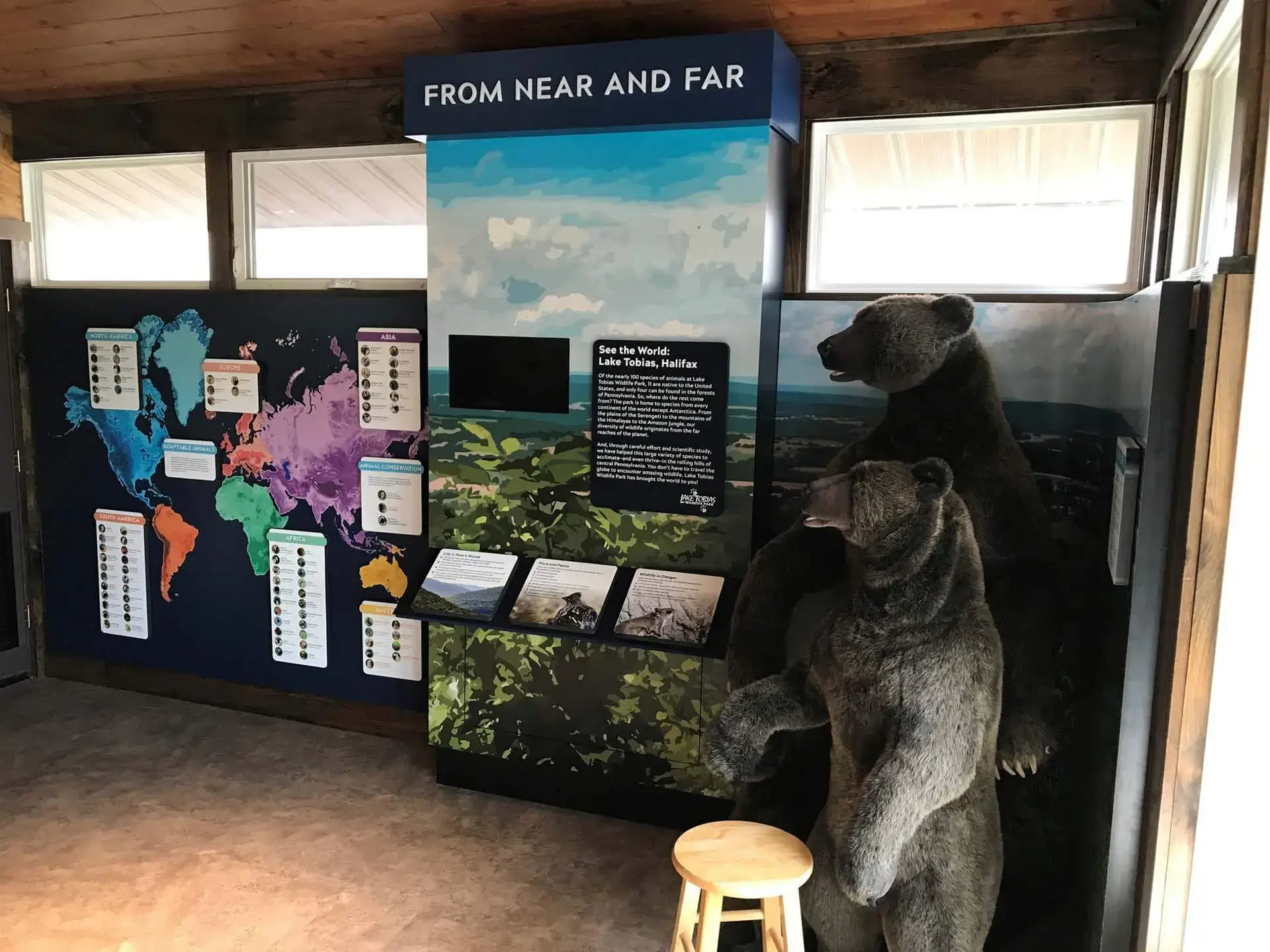
Science and nature centers rely on exhibits that make complex concepts tangible. We design and fabricate hands-on environments that blend scientific accuracy with accessible presentation, integrating technology, specimen displays, and interactive demonstrations that hold up under daily use.
School Districts and University Installations
Educational institutions commission permanent and semi-permanent exhibit installations for libraries, hallways, student centers, and dedicated learning spaces. These projects require the interpretive approach of a museum environment combined with the practical durability of a high-traffic institutional installation.
Municipal Visitor Centers
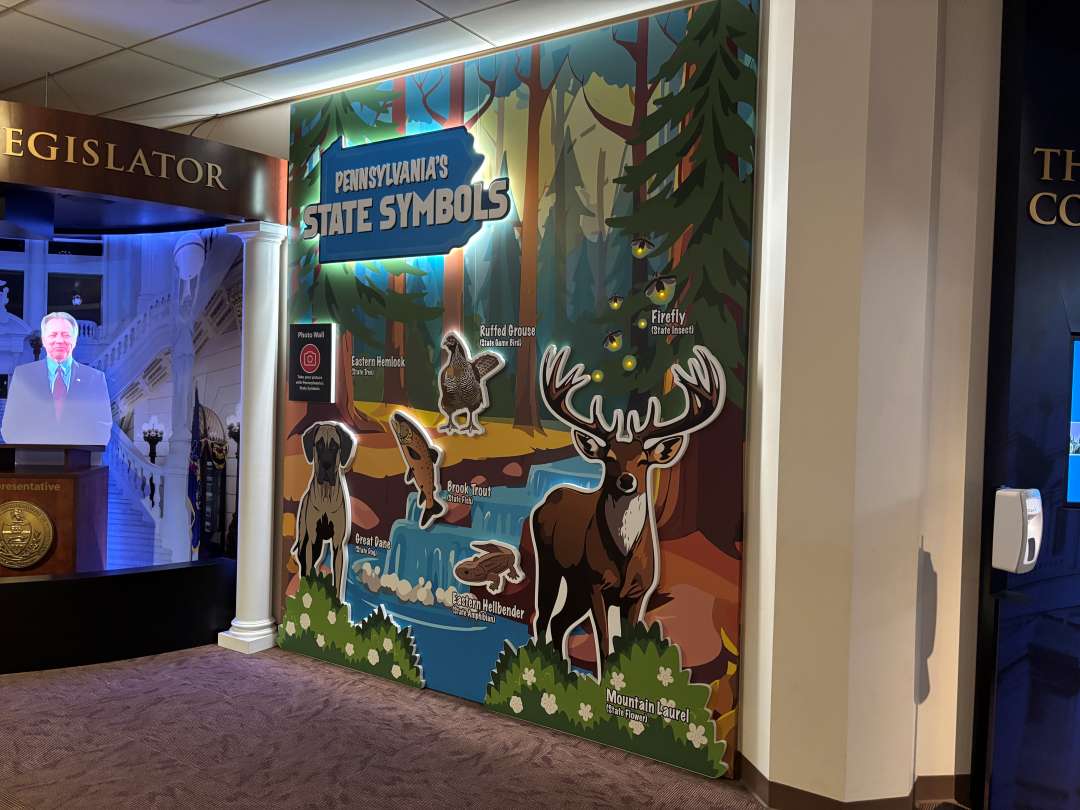
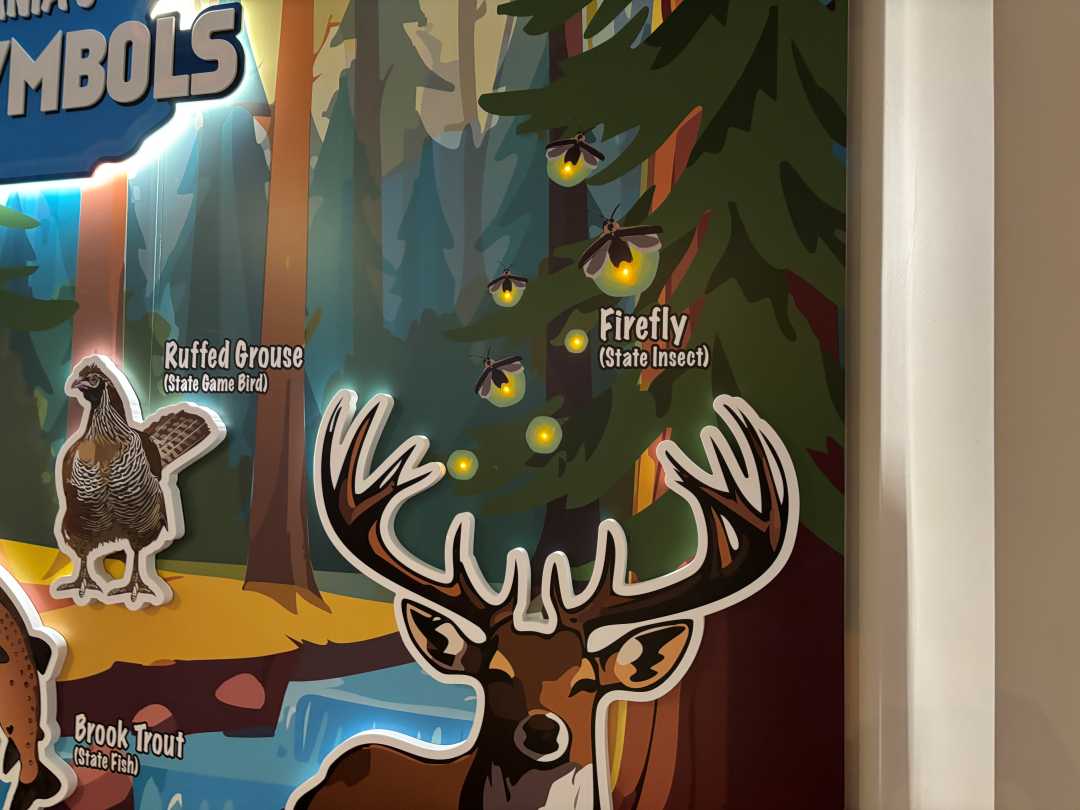
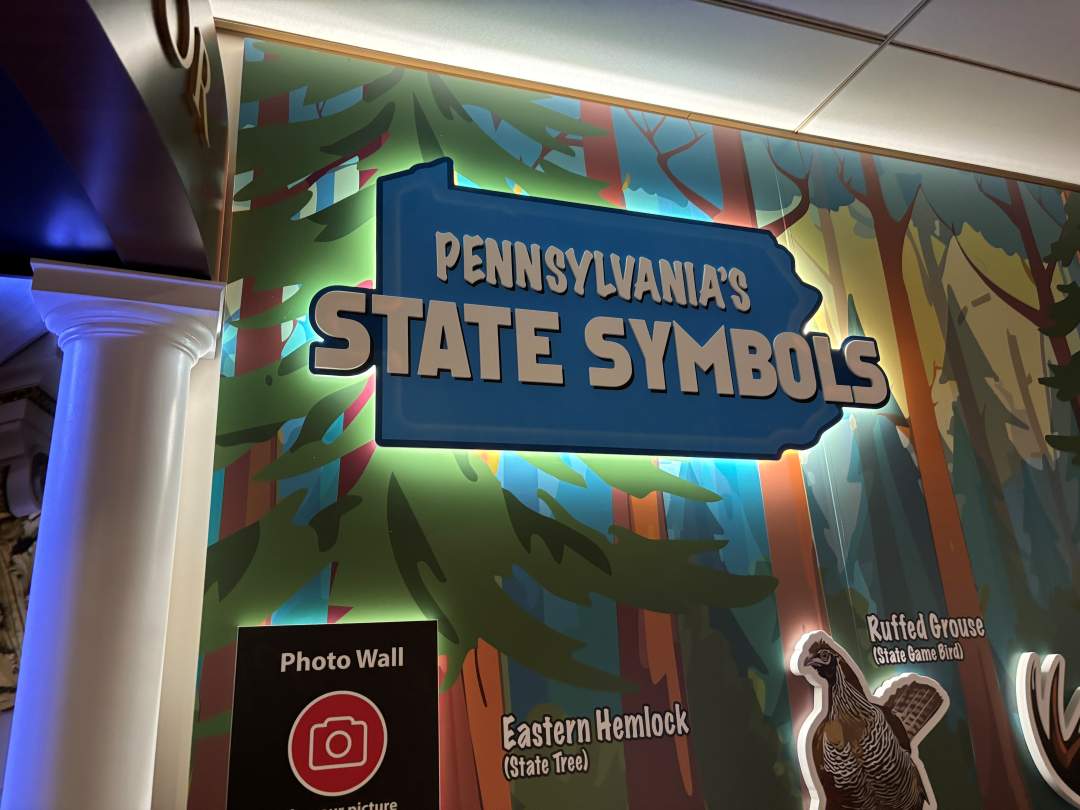
Visitor centers tell the story of a place to the people who arrive there. We design and build exhibit environments for municipal, state, and regional visitor centers that communicate local history, ecology, and identity through engaging, durable displays built to serve diverse audiences year after year.
Corporate Heritage Displays
Corporate institutions commission heritage exhibits to tell the story of their founding, growth, and impact. These installations serve employees, clients, and visitors and require the same interpretive discipline and fabrication quality as public museum work. We build corporate heritage environments that reflect organizational pride and hold institutional weight.
What Institutions Should Consider Before Engaging a Custom Museum Exhibit Provider
The quality of a museum exhibit project is directly tied to how well it is planned before fabrication begins. Institutions that engage a full-service provider early in the process consistently achieve better outcomes than those who bring a fabricator in after design decisions have already been made.
Before beginning a custom museum exhibit project, institutions should consider:
- Interpretive content readiness: Is the content defined, reviewed, and approved by curatorial staff, or does it require additional development before design can begin?
- Facilities coordination: What are the structural, electrical, and environmental constraints of the installation space? Early site assessment prevents costly redesign later.
- Accessibility requirements: ADA compliance should be built into the design from the start, not addressed as a correction after the fact.
- Realistic budget scope: Custom museum exhibit fabrication requires investment proportional to the complexity and scale of the project. Understanding cost ranges early allows for better planning and phasing decisions.
- Timeline: Museum exhibit projects typically require significant lead time from concept through installation. Institutions that engage early have more room to refine the work without compressing production.
We welcome conversations at any stage of the planning process. The earlier we are involved, the more value we can bring to the project.
Frequently Asked Questions About Custom Museum Exhibit Services
What types of institutions does Exhibit Studios work with?
We work with history museums, children’s museums, science and nature centers, school districts, universities, municipal visitor centers, and corporate institutions commissioning heritage displays. If an organization is creating an interpretive exhibit environment for public or institutional audiences, we have the capabilities to support it.
What does the custom museum exhibit design process look like?
Our process begins with a thorough discovery phase that includes content analysis, visitor journey planning, and accessibility review in collaboration with institutional staff. From there, we move through concept design, 3D development, material specification, CAD engineering, fabrication, and installation. Every stage involves close collaboration with the client team.
Can exhibits be designed for travel or reconfiguration?
Yes. We design and fabricate modular exhibit systems specifically for traveling exhibitions and installations that need to reconfigure across multiple venues or gallery configurations. Modular construction is engineered for efficient packing, transport, and reassembly without sacrificing the visual quality of a permanent installation.
How do you address conservation requirements for artifact display?
Conservation standards are incorporated into the design and material specification process from the start. We review substrate materials, adhesives, finishes, and lighting selections for conservation compatibility and work with institutional staff to meet specific environmental and display requirements for collections.
When should an institution begin the process?
As early as possible. Museum exhibit projects benefit enormously from lead time. Early engagement gives us the opportunity to contribute to content development, space planning, and technology strategy before decisions are locked in. Institutions that start the conversation early consistently achieve better results within their budget and timeline.
Let's Build Something Extraordinary
A well-designed, well-built museum exhibit does more than communicate content. It shapes how visitors understand a subject, how they remember an institution, and how they talk about the experience afterward. That kind of impact is the result of process, expertise, and genuine partnership.
At Exhibit Studios, we bring all three. From the first content conversation to the final installation walkthrough, we are committed to building exhibit environments that educate, engage, and endure.
We don’t just create exhibits, we create environments that make people think, feel, and remember. Let’s build something extraordinary together. Contact us today.