




Trade show exhibit trends are evolving quickly as brands rethink how they present themselves on the show floor. In 2026, exhibitors are expected to balance stronger storytelling, smarter design, and flexible infrastructure while delivering measurable value from every event. Understanding these shifts can help companies plan exhibits that align with their goals and perform effectively across multiple events.
Below are the key trade show exhibit trends shaping 2026 and how exhibitors can prepare.
Purpose-Driven Booth Design Takes Center Stage
One of the most important booth design trends for 2026 is intentionality. Exhibitors are moving away from booths that simply look impressive and toward spaces designed around clear objectives. Whether the goal is lead generation, product education, brand awareness, or relationship building, every element of the exhibit must support that purpose.
Layouts are becoming more open and intuitive, guiding attendees naturally through the space. Graphics focus on clarity and relevance rather than overload. Messaging is concise and benefit-driven, making it easier for visitors to understand what a brand offers within seconds. Exhibitors that define success early in the design process are better positioned to create booths that perform, not just display.
Immersive Exhibits That Tell a Story
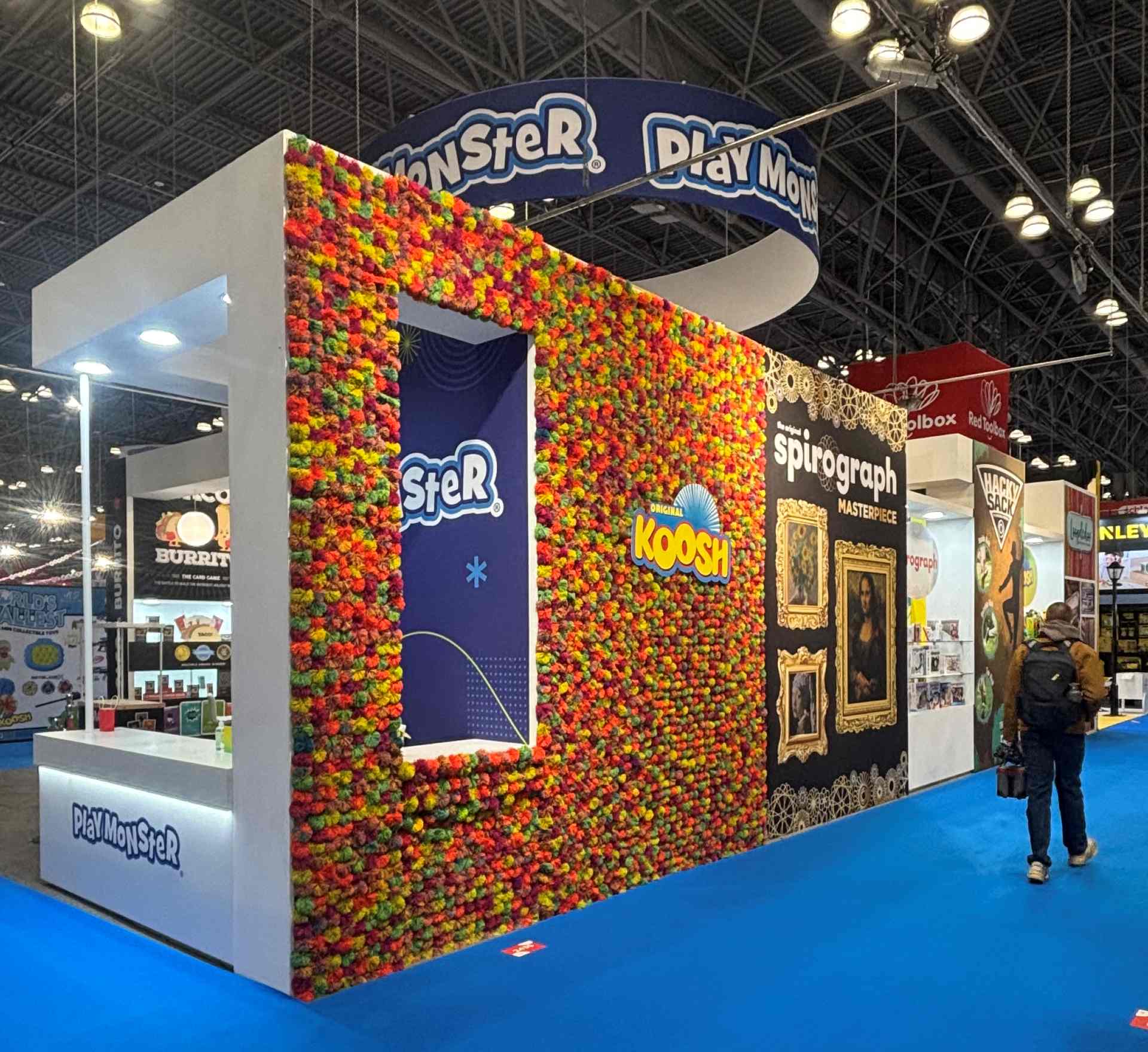
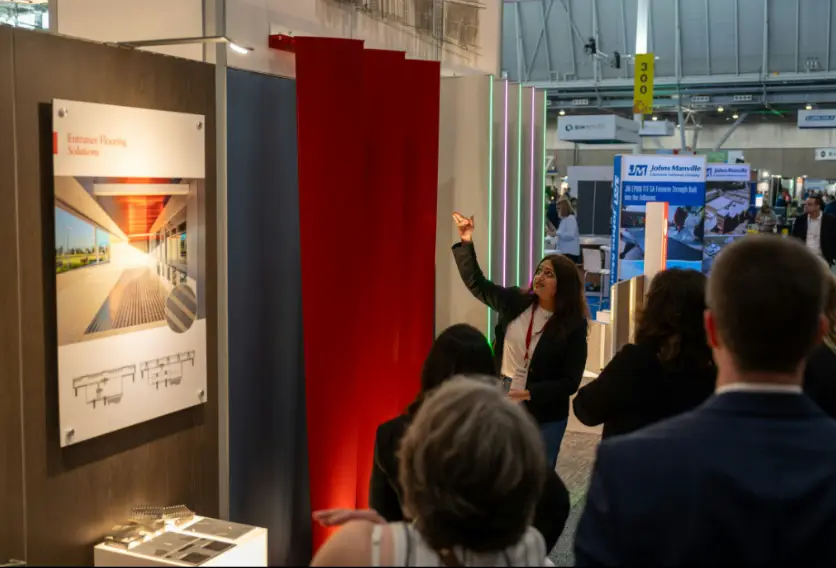
Immersive exhibits continue to be a defining trade show exhibit trend for 2026. Attendees expect experiences, not just conversations. Immersion does not always mean advanced technology, though digital elements certainly play a role. It means designing environments that pull visitors into a brand story through layered visuals, lighting, sound, texture, and interaction.
Successful immersive exhibits often include hands-on demonstrations, guided walkthroughs, or interactive content that educates while engaging. These experiences help brands stand out in crowded halls and create stronger emotional connections. Importantly, immersion works best when it is aligned with brand identity and audience needs rather than added for novelty alone.

Modular Displays Become a Strategic Investment
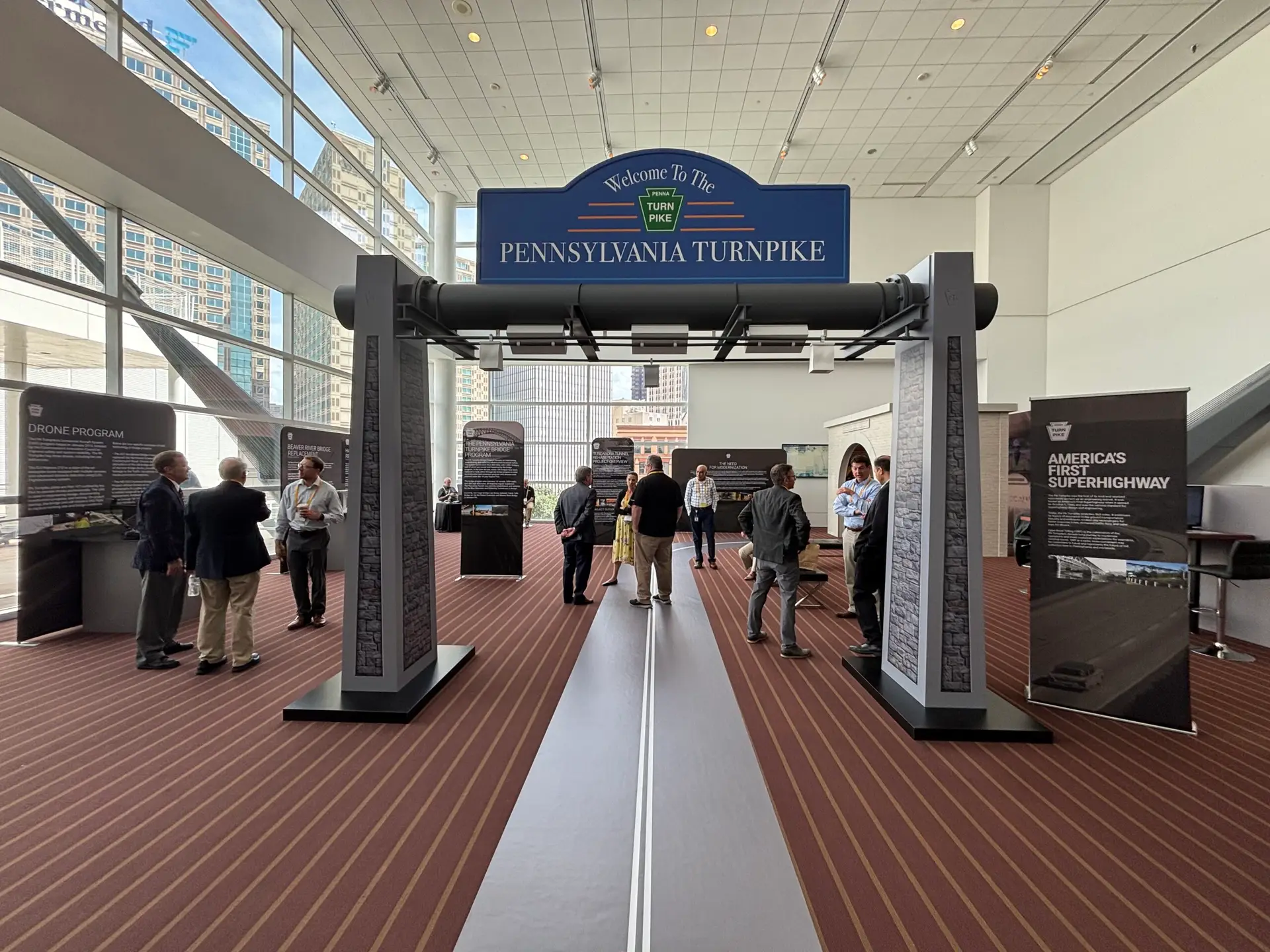
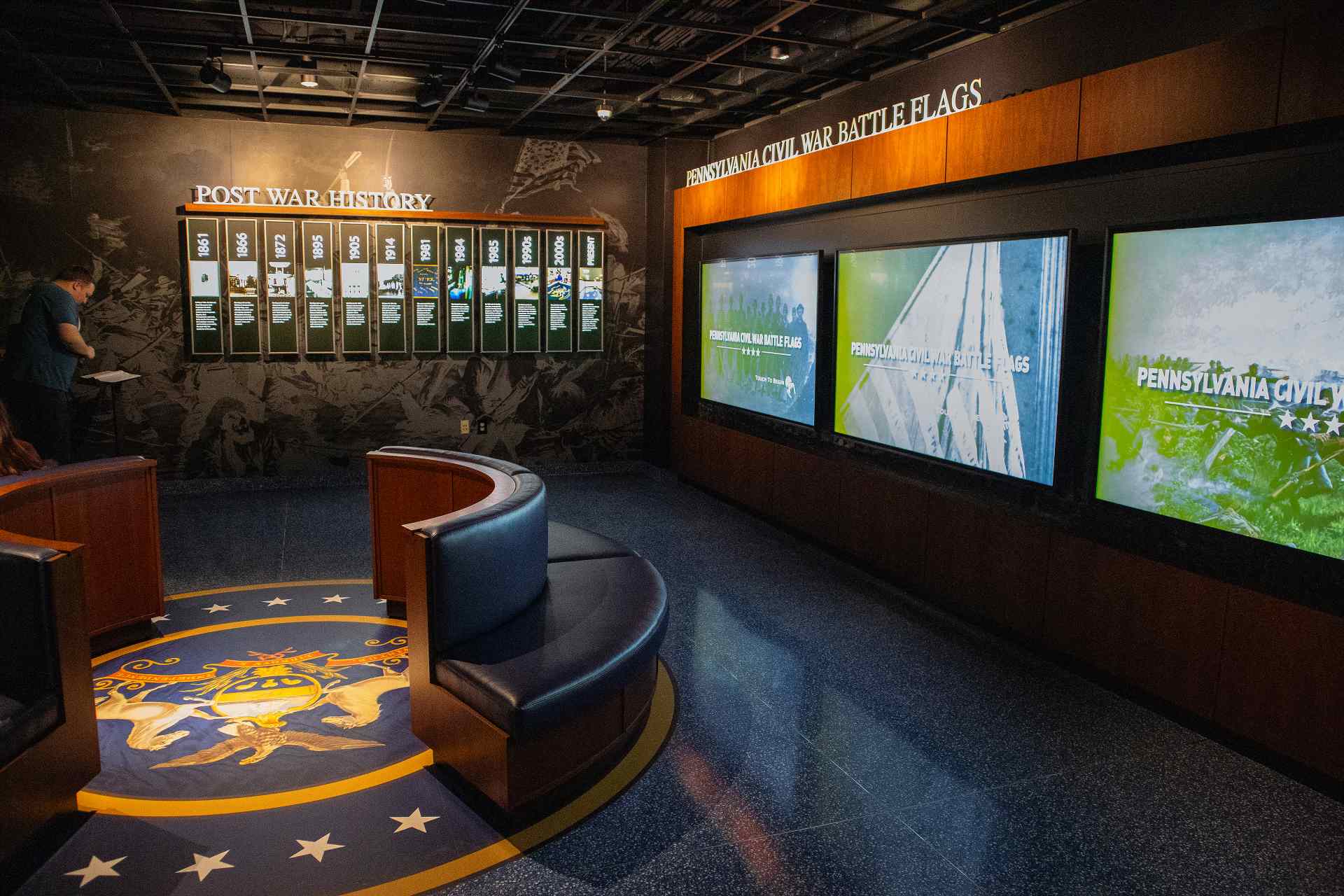
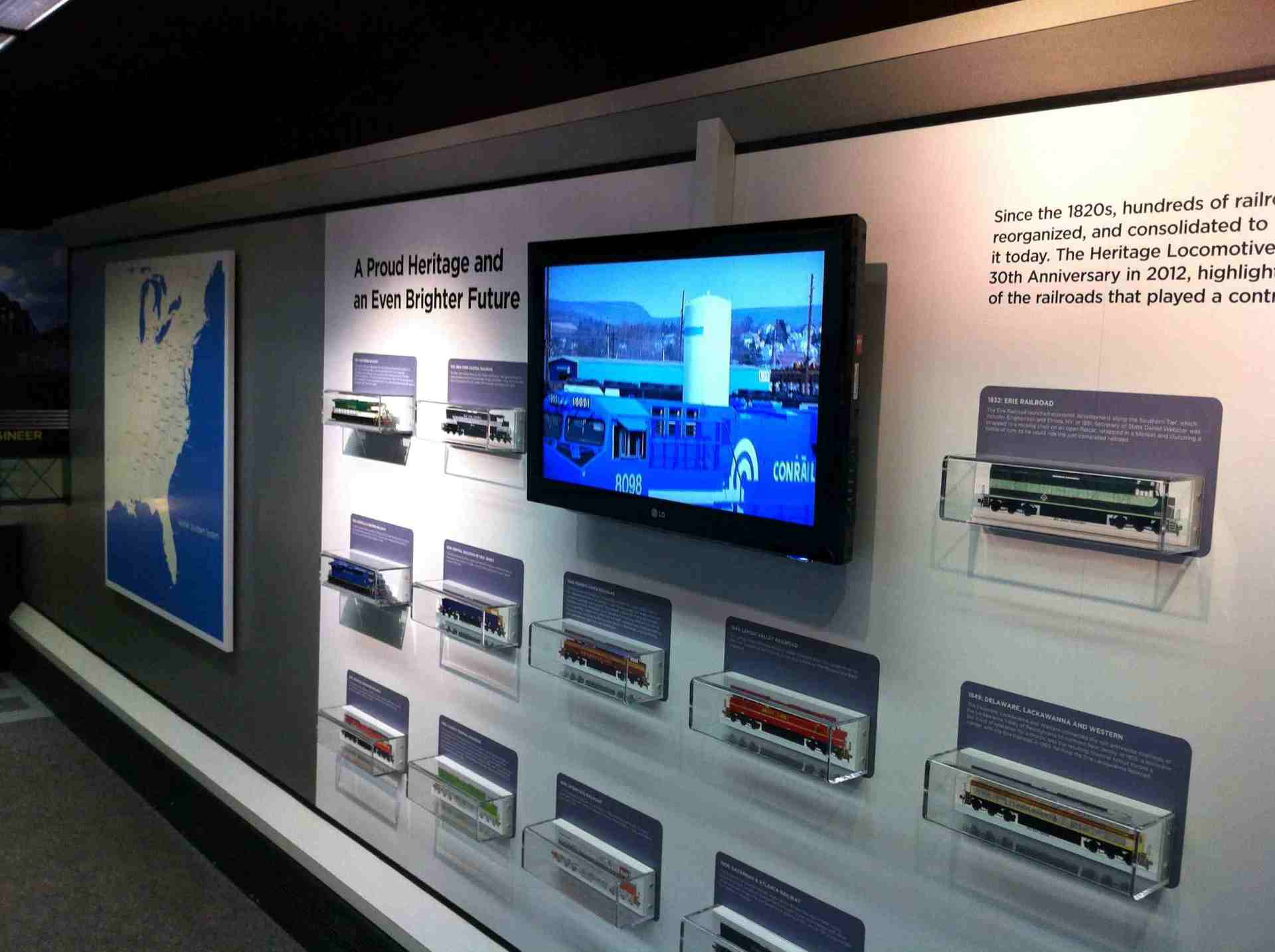
Modular displays are becoming essential as exhibitors seek flexibility and efficiency. In 2026, brands are attending a wider mix of national, regional, and niche events. A single static booth rarely works across all of them.
Modular systems allow exhibitors to reconfigure layouts, resize footprints, and update graphics without starting from scratch. This adaptability supports better long-term budgeting and sustainability goals while maintaining a cohesive brand presence. Modular displays also enable faster installation and easier logistics, which reduces stress for teams managing multiple shows each year.

Sustainability Moves From Bonus to Baseline
Sustainability is no longer optional. It is an expectation. Trade show exhibit trends show a clear shift toward responsible material choices, reusable structures, and longer exhibit lifecycles. Clients and attendees alike are paying attention to how exhibits are built, used, and reused.
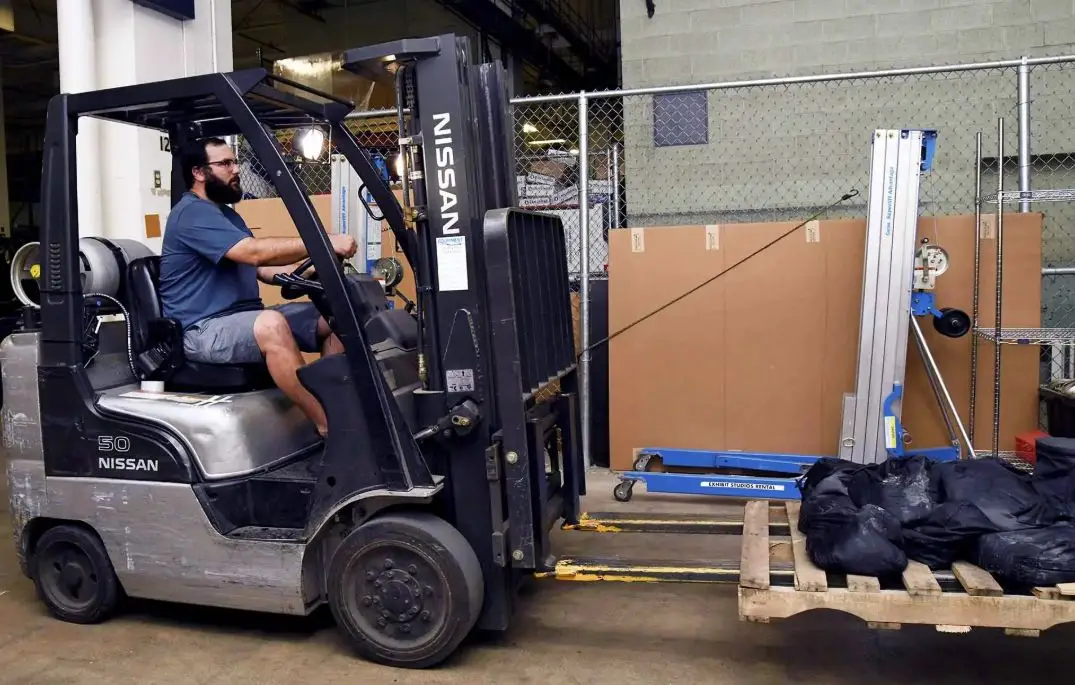
Design strategies in 2026 prioritize durability, lightweight materials, and components that can be refreshed rather than replaced. Sustainability also extends to logistics, including shipping efficiency and reduced waste during installation and dismantle. Exhibitors that plan with sustainability in mind demonstrate responsibility while protecting their investment.
Technology Supports, Not Replaces, Human Connection
Technology remains an important part of booth design trends, but its role is evolving. Rather than dominating the space, technology in 2026 supports meaningful conversations. Digital touchpoints such as interactive screens, data capture tools, and virtual product views enhance engagement while keeping the focus on human interaction.
Exhibitors are also using technology behind the scenes to measure performance, track visitor behavior, and refine future strategies. When technology is integrated thoughtfully, it helps teams learn more from each event and improve outcomes over time.
Planning for Longevity and Scalability
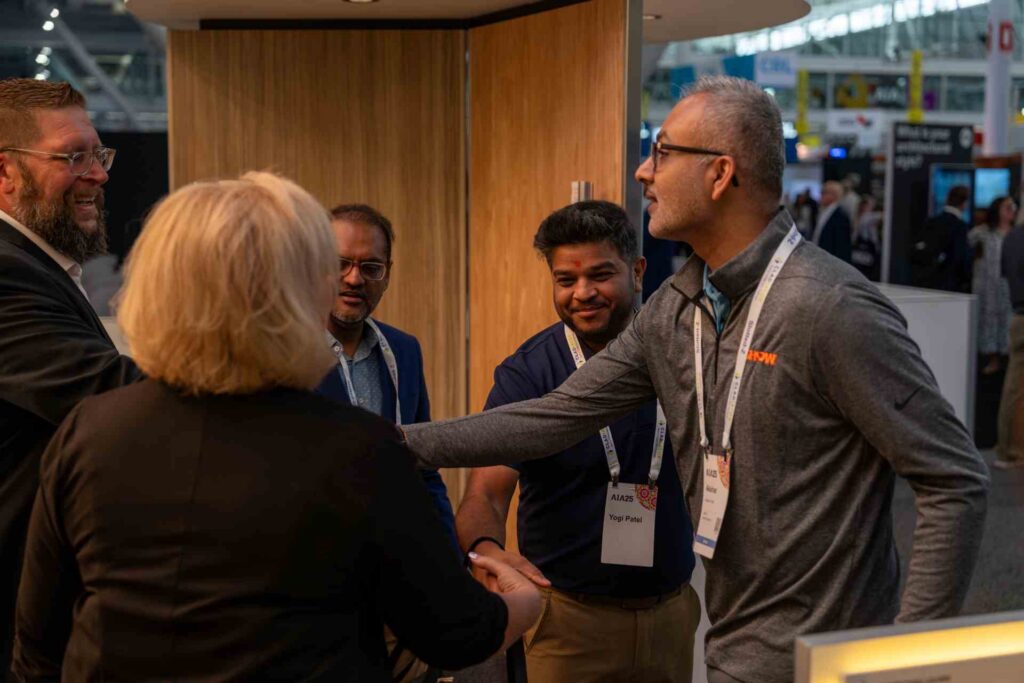
Perhaps the most important trade show exhibit trend for 2026 is long-term thinking. Exhibitors are prioritizing exhibits designed to grow and adapt alongside their business. Scalability allows brands to respond to new markets, changing audiences, and evolving product lines without redesigning their booth every year.
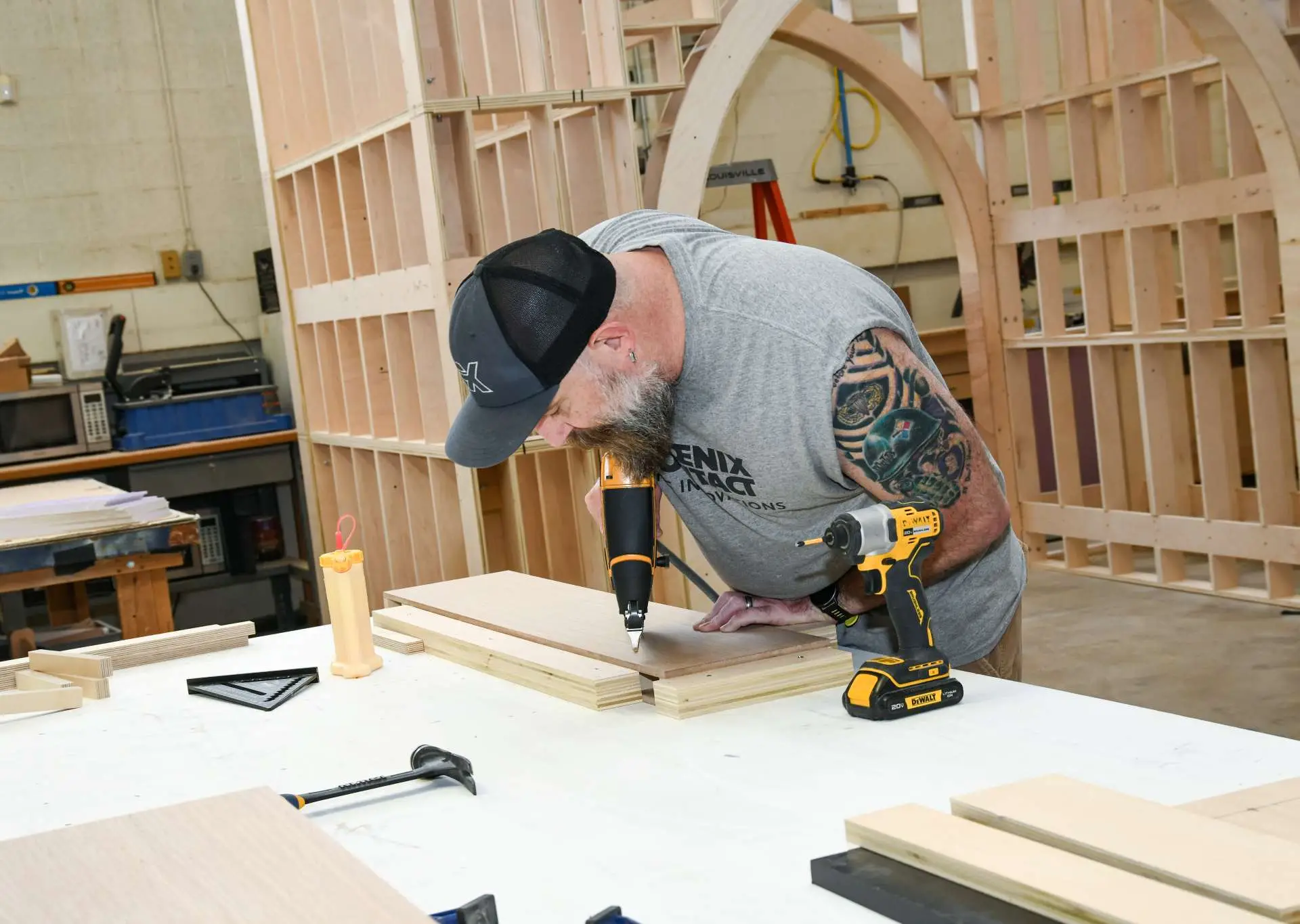
Working with an exhibit partner who understands strategy, design, fabrication, and execution ensures exhibits are built with longevity in mind. From concept to completion, planning ahead helps exhibitors maximize value and maintain consistency across events.
Preparing for What’s Next
Trade show exhibit trends in 2026 point toward smarter, more intentional exhibits that combine strong design, immersive experiences, and flexible systems. Exhibitors who invest early in thoughtful planning and adaptable solutions will be better positioned to connect with audiences and achieve lasting results.
Ready to plan for what’s next? Connect with Exhibit Studios to start designing an exhibit that works across today’s and future trade show exhibit trends.