



Many organizations begin searching for trade show support without fully understanding what a full-service trade show company actually does or how provider models differ. Some teams only need exhibit design. Others need logistics and installation support. Many are looking for a partner that can manage every stage of their exhibit program from concept through storage and ongoing asset management.
The challenge is that not all providers define “full-service” the same way. Understanding the differences between trade show provider models is essential for marketing directors and event managers who want to make informed, cost-effective decisions and avoid gaps in execution.
This guide breaks down what a full-service trade show company includes, how it compares to other provider models, and how to determine which approach fits your organization best.
What Is a Full-Service Trade Show Company?
A full-service trade show company manages the complete exhibit lifecycle from initial planning through post-show storage and program support. Instead of coordinating multiple vendors for design, production, logistics, and installation, exhibitors work with a single partner responsible for execution across every phase.
A full-service model may include:
- Exhibit strategy and planning
- Custom exhibit design
- Fabrication and production
- Large-format graphics
- Interactive and experiential elements
- Photography and content development
- Shipping and logistics coordination
- Show services paperwork and ordering
- Installation and dismantle
- Warehouse storage
- Exhibit asset management
Some providers complete all of these services in-house, while others coordinate select functions through multiple partners. Understanding this distinction is an important part of evaluating the right fit.
Full-Service Trade Show Company vs. Other Provider Models
Not every organization needs the same level of trade show support. Most providers fall into one of several models, each with different strengths depending on your internal resources and program complexity.
Design-Only Firms
Design-focused firms specialize in creative development and exhibit concepts. They typically focus on visual storytelling, space planning, and brand expression. These firms are best suited for organizations that already have established production, logistics, and installation partners.
Best for:
- Experienced exhibit teams
- Companies with existing vendor networks
- Projects requiring standalone design services
Full-Service Trade Show Companies
A full-service trade show company provides end-to-end support across the entire exhibit lifecycle. This includes design, fabrication, logistics, installation, storage, and ongoing asset management under one coordinated system.
The key advantage is alignment. Design decisions are made with fabrication and logistics in mind, reducing inefficiencies and improving execution across multiple shows.
Best for:
- Companies exhibiting multiple times per year
- Lean marketing or event teams
- Programs requiring consistent execution across events
- Organizations seeking centralized accountability
Large National or Global Providers
Large providers support enterprise-level programs with extensive infrastructure and global capabilities. They often manage complex international exhibit schedules and large-scale event portfolios. While highly capable, these organizations may offer less direct day-to-day collaboration depending on program size and structure.
Best for:
- Global exhibit programs
- Large enterprise organizations
- High-volume event schedules
What Does End-to-End Trade Show Management Include?
To understand what a full-service trade show company actually manages, it helps to break the process into phases. Trade show success is not built on the booth alone but on a series of coordinated steps that begin months before the event.
Strategy and Planning
Every successful exhibit program starts with clear objectives. During this phase, teams establish event goals, define target audiences, prioritize products or services, align lead generation expectations, evaluate space requirements, and develop a realistic budget. Strong planning ensures the exhibit supports business outcomes rather than simply creating visual impact.
Exhibit Design and Engineering
Design goes far beyond appearance. It determines how the exhibit functions and performs on the show floor, influencing everything from attendee engagement to operational efficiency. During the design phase, teams consider factors such as traffic flow, product demonstration areas, meeting and hospitality spaces, brand storytelling, structural requirements, and opportunities for future scalability. Engineering then ensures the exhibit can be safely built, transported, installed, and reused across multiple events while maintaining both performance and visual impact.
Fabrication and Production
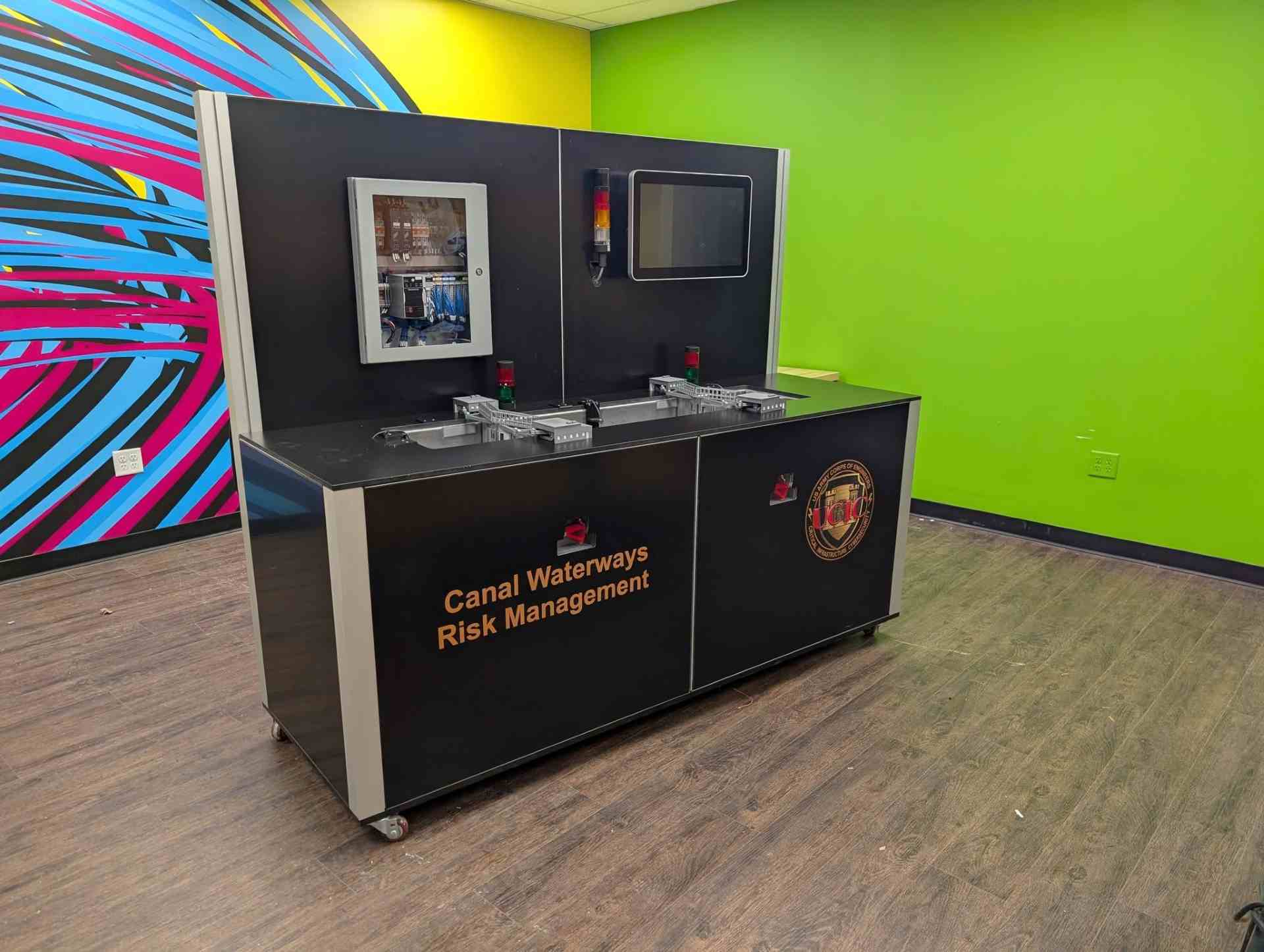
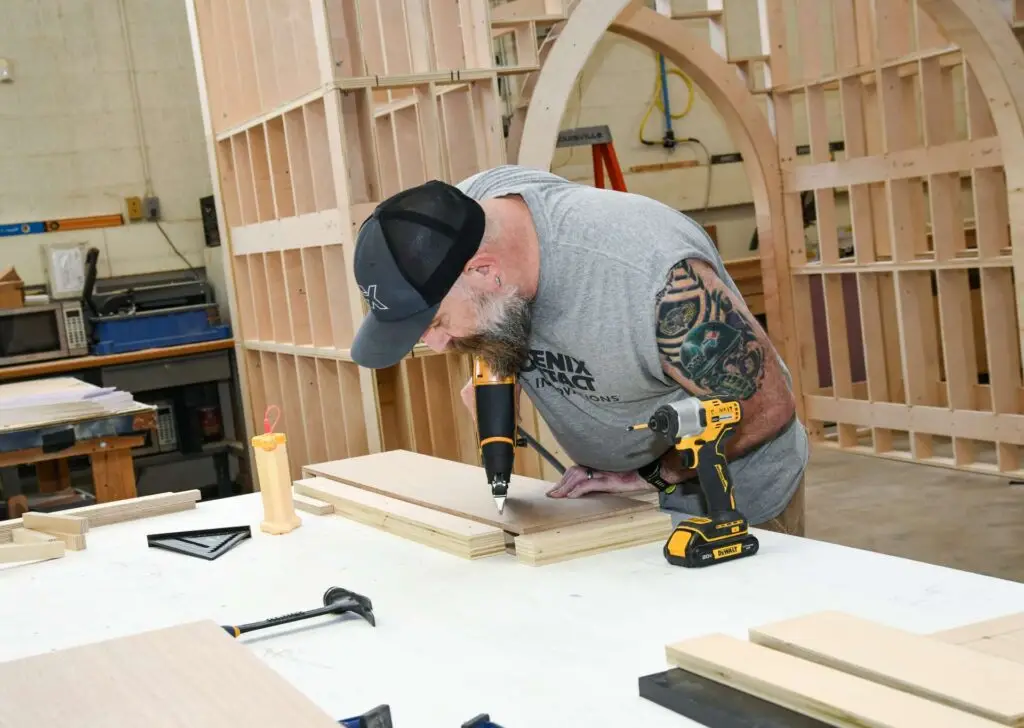
Fabrication is where concepts become physical environments. Materials, construction methods, and durability all play an important role in long-term exhibit performance. During this phase, teams make decisions about woodworking and structural elements, material selection and finishes, reusability, modular construction, quality control, and production timelines. These choices influence everything from the exhibit’s appearance and longevity to shipping efficiency, installation requirements, and future adaptability across multiple events.
Graphics and Content Development
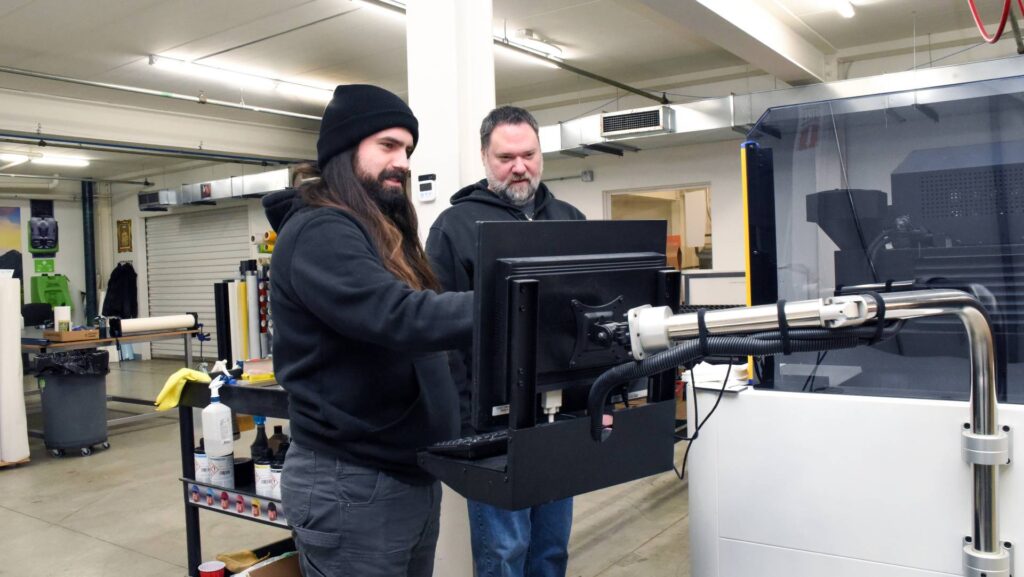
Visual communication plays a central role in attracting attention and reinforcing brand messaging. This phase may involve large-format graphics, environmental branding, product imagery, digital displays, interactive content, photography, and video assets. Together, these elements help create a cohesive attendee experience and support consistent brand recognition across events.
Logistics and Shipping
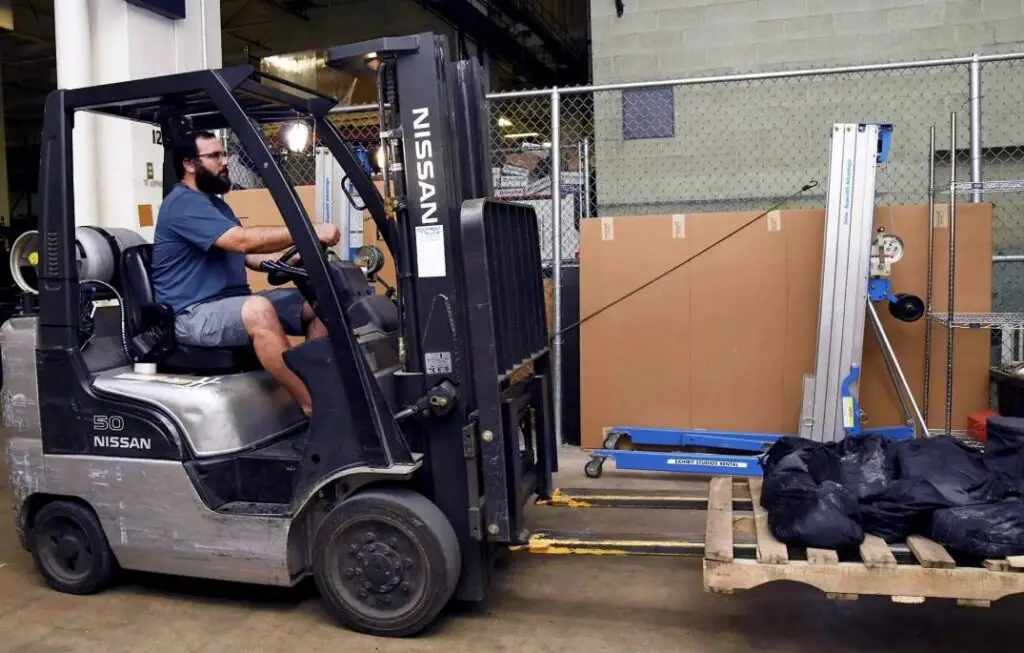
Logistics is one of the most complex and time-sensitive aspects of trade show execution. Even the best-designed exhibit can face challenges if shipping and scheduling are not properly coordinated. Effective logistics management includes advance warehouse planning, direct-to-show shipments, freight carrier coordination, material handling requirements, and return shipping arrangements. Careful oversight throughout this process helps ensure exhibit assets arrive on time, move efficiently through the venue, and are properly prepared for future events.
Show Services Coordination
Trade shows require a variety of vendor forms and service orders that must be completed accurately and submitted on time. These can include requests for electrical services, internet connectivity, rigging, labor, furnishings, equipment rentals, cleaning, and other show-specific requirements. Managing these details may seem routine, but overlooking a deadline or missing a service order can create costly challenges during move-in. Proper coordination helps ensure everything is in place before the exhibit arrives on the show floor.
Installation and Dismantle
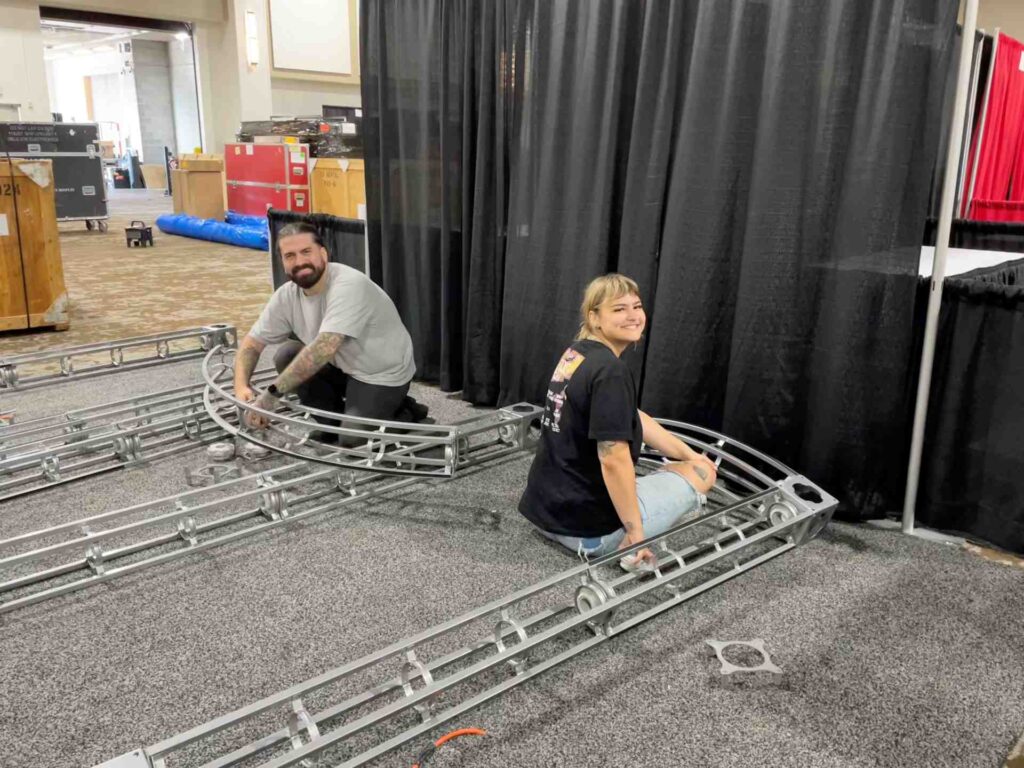
Installation and dismantle (I&D) teams are responsible for the physical setup and breakdown of the exhibit at each event. Their work includes coordinating move-in schedules, assembling exhibit components, making on-site adjustments, troubleshooting issues that arise during installation, and carefully dismantling and packing the exhibit after the show. Experienced teams help ensure exhibits are installed efficiently, comply with venue requirements, and are properly protected for transportation and future use.
Storage and Asset Management
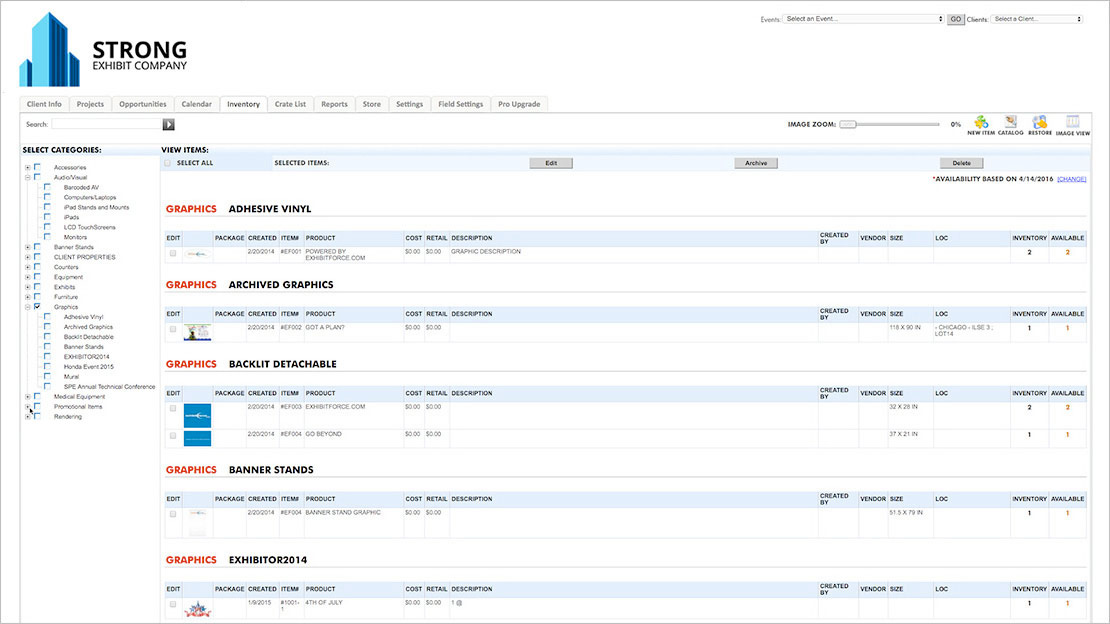
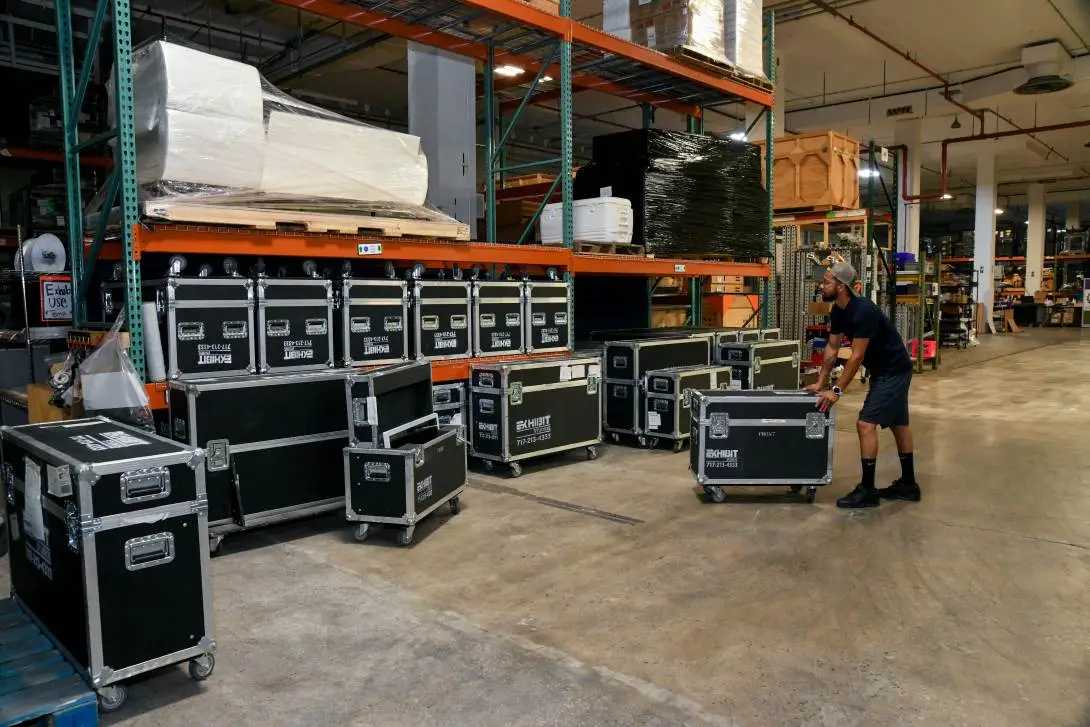
Between events, exhibits require secure storage and ongoing management to remain organized, protected, and ready for future use. Many full-service trade show companies provide warehouse storage, inventory tracking, exhibit refurbishment and repair, graphic updates, and shipping coordination for upcoming events. These services help extend the life of exhibit assets, simplify planning for future shows, and maintain consistency across an organization’s trade show program.
Questions to Ask Before Choosing a Full-Service Trade Show Company
Selecting a provider requires more than reviewing portfolios. Asking the right questions helps clarify scope and accountability.
Consider asking:
- What services are completed in-house versus outsourced?
- Who manages logistics and freight coordination?
- Do you handle show service ordering and paperwork?
- Is installation and dismantle included?
- How is exhibit inventory tracked between shows?
- What storage options are available?
- Will we have a dedicated project manager?
- How are timeline changes or urgent issues handled?
These questions help identify whether a provider can truly support your program end to end.
How to Choose the Right Trade Show Provider Model
The best provider model depends on your internal resources, exhibit frequency, and level of desired involvement.
Choose Design-Only Support if:
- You already manage logistics and production internally
- You have established vendor relationships
Choose a Full-Service Trade Show Company if:
- You want centralized management across all exhibit phases
- Your team is managing multiple priorities
- You need consistent execution across multiple shows
Choose a Large Global Provider if:
- You operate international or high-volume exhibit programs
- You require global infrastructure and scale
Frequently Asked Questions About Full-Service Trade Show Companies
What does a full-service trade show company do?
A full-service trade show company manages the complete exhibit lifecycle, including strategy, design, fabrication, logistics, installation, dismantle, storage, and asset management.
What is end-to-end trade show management?
End-to-end trade show management refers to overseeing every stage of an exhibit program from initial planning and design through production, logistics, installation, dismantle, and post-show storage.
How do I choose the right trade show company?
Evaluate your internal resources, event frequency, and support needs. Ask providers what services are handled in-house and whether they can manage your program from start to finish.
What is the difference between a boutique exhibit house and a full-service trade show company?
A boutique exhibit house typically offers personalized service and collaboration, while a full-service trade show company provides a broader range of integrated services across the entire exhibit lifecycle.
Is a full-service trade show company worth it for smaller teams?
Yes, especially for lean marketing teams. A full-service provider can reduce workload by managing logistics, production, and installation through a single point of contact.
Do full-service trade show companies offer storage?
Many do. Storage often includes inventory tracking, refurbishment, shipping coordination, and asset management between events.
Can a full-service provider handle multiple trade shows per year?
Yes. Full-service trade show companies are often designed to support ongoing exhibit programs across multiple events and locations.
Still Deciding on the Right Trade Show Provider Model?
If you are evaluating how much support your team needs, Exhibit Studios can help you understand which trade show provider model best aligns with your goals, internal resources, and program complexity. Contact us today.