

There is a category of exhibit challenge that no catalog vendor can solve. The brand element that has to be three-dimensional and perfectly to scale. The structural component that fits an unusual geometry. The one-off display piece that has to look like it was designed for the space, because it was. This is where custom exhibit fabrication earns its place, and where 3D printing has become one of the most useful tools in a full-service fabricator’s shop.
At Exhibit Studios, 3D printing is not a novelty feature we mention in sales conversations. It is a production capability we apply to solve specific problems that arise in the course of building custom trade show exhibits. When a client needs something that does not exist in a parts catalog, our team builds it.
What Custom Exhibit Fabrication Actually Means
The difference between a custom exhibit and a prefab booth system comes down to what drives the design. A prefab or rental system starts with the components that exist. The design is constrained by what those components can produce. Custom exhibit fabrication starts with goals, brand standards, the specific space, and the performance requirements, and builds components to match.
Custom fabrication means:
- Every component is engineered specifically for the project, not adapted from a standard part
- Structural elements, cabinetry, counters, towers, and architectural details are built to exact tolerances in our production woodshop
- Graphics, lighting, and technology are integrated into the structure from the design phase, not added on afterward
- The result is an owned, long-term asset built to your specifications
Prefab and rental systems have their place. But when the brand demands something specific, when the footprint is unusual, or when no off-the-shelf component can do what the design requires, custom fabrication is the answer.
Where 3D Printing Fits in the Fabrication Process
3D printing does not replace the woodshop, the CNC router, or the graphics team. It works alongside them. The value of 3D printing in exhibit fabrication is precision, speed, and the ability to produce components that traditional methods cannot match economically.
Rapid Prototyping
Before a complex component or branded element goes into full production, 3D printing lets our team build a physical prototype at scale. Clients can hold it, evaluate it, and request adjustments before any final material is committed. This collapses the revision cycle and removes guesswork from the approval process.
Rapid prototyping is particularly useful for:
- Dimensional brand marks and logos: A raised or sculpted logo at scale can be prototyped, reviewed, and refined before the final version is produced in the specified material
- Custom hardware and connection details: Structural connectors, mounting brackets, and specialty hardware can be prototyped and tested for fit before fabrication begins
- Complex geometry: Components with unusual curves, undercuts, or interlocking features are difficult to evaluate from a drawing. A physical prototype resolves ambiguity immediately
One-Off and Short-Run Components
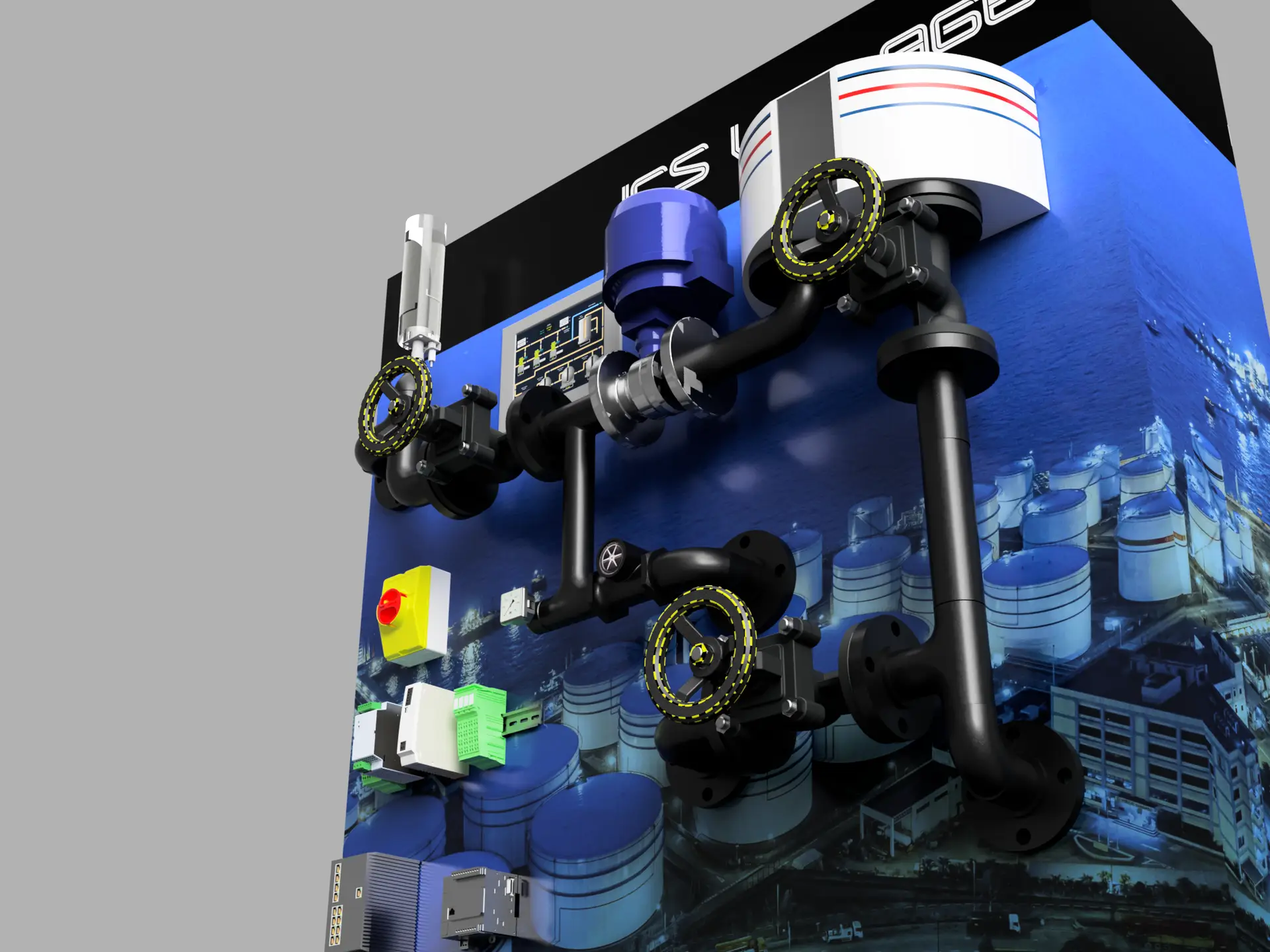
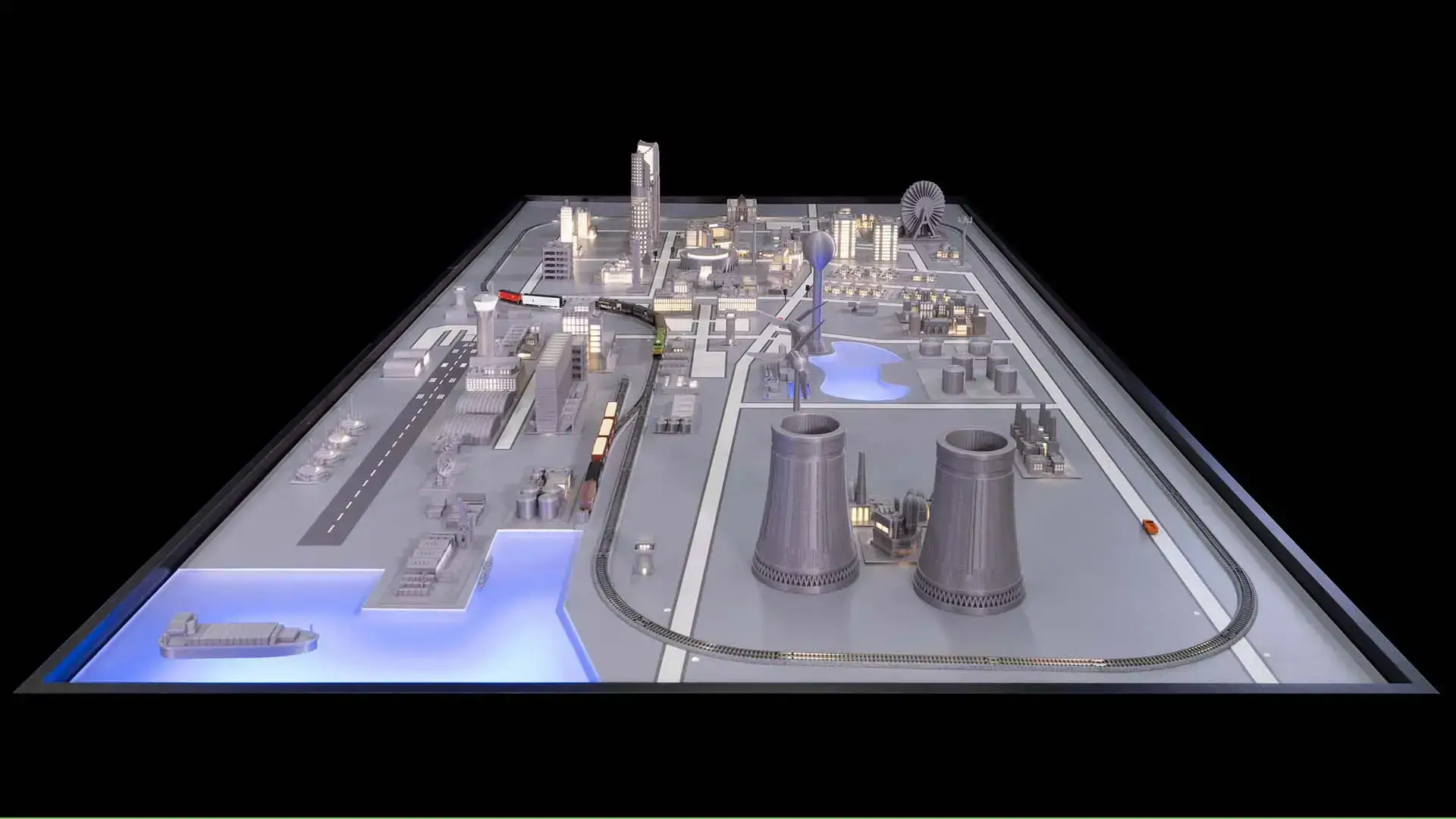
Many custom exhibit elements are needed once, or in quantities too small to justify tooling for traditional manufacturing. 3D printing fills that gap. Specialty exhibit fabrication for one-of-a-kind display components, custom trade show props, or unique structural connectors can be produced without the cost or lead time of custom tooling.
Examples include custom kiosk enclosure parts, branded display bases, specialty mounting hardware, and architectural detail elements that exist nowhere in a parts catalog. If the design calls for it, we can print it.
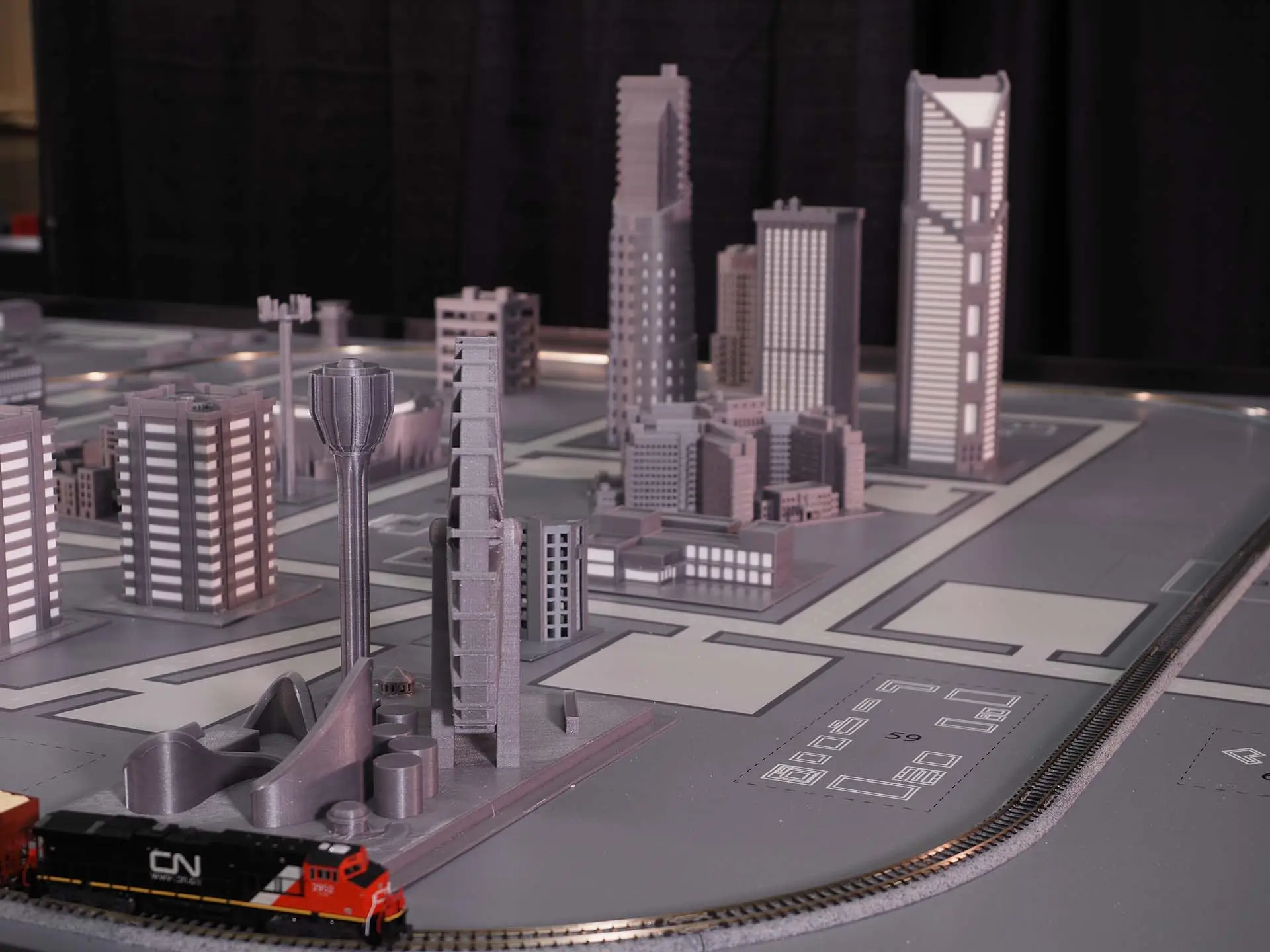
The Lock System: A Real-World Example
One of the clearest illustrations of what 3D printing makes possible in custom exhibit fabrication is a proprietary locking connector system our team developed for a recurring client.
The challenge: the exhibit needed to assemble quickly and precisely across multiple shows without visible fasteners, wobble, or misalignment between shows. Standard hardware options created either visible seams or inconsistent fit that required on-site correction. The client needed something that did not exist.
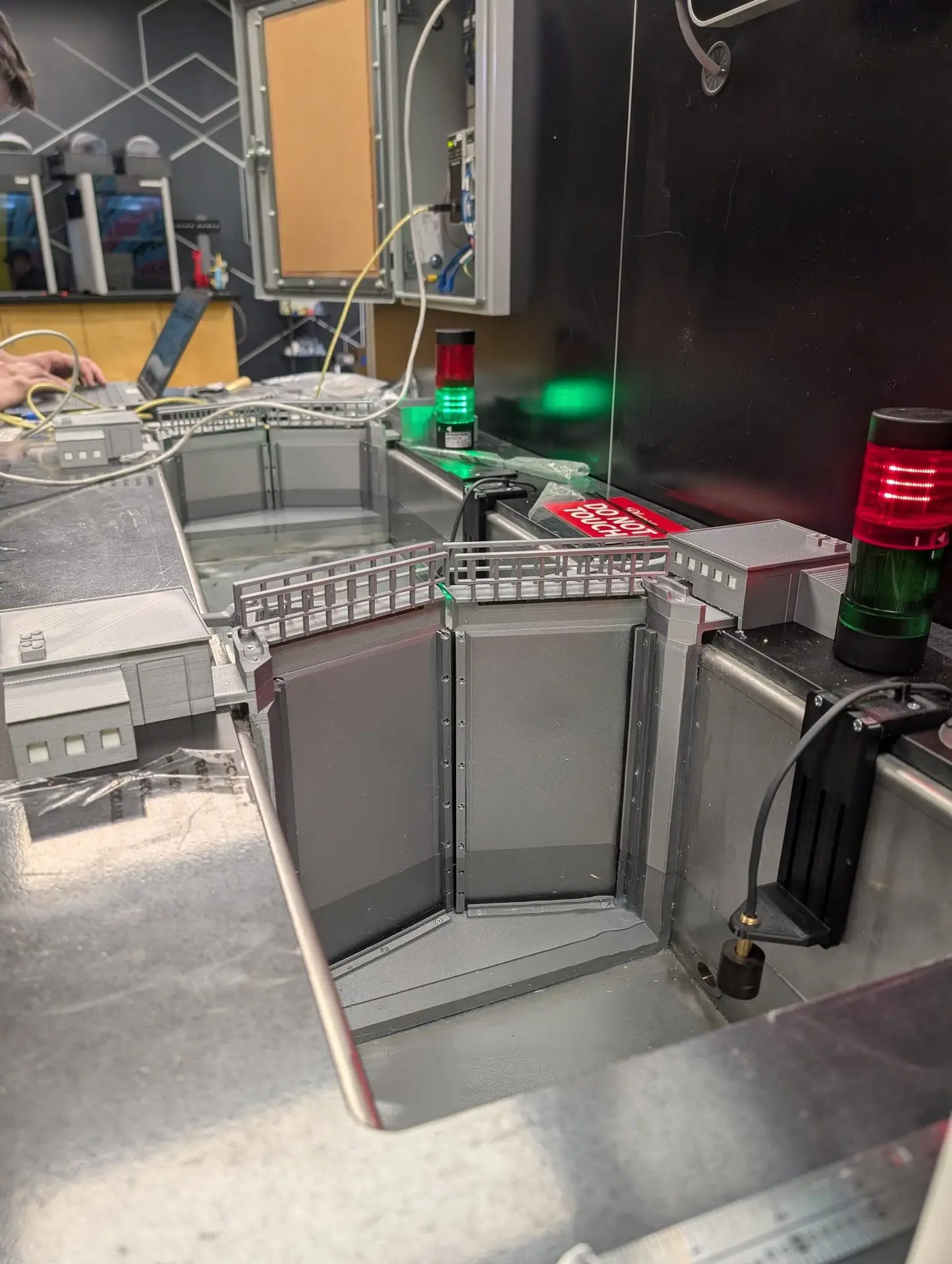
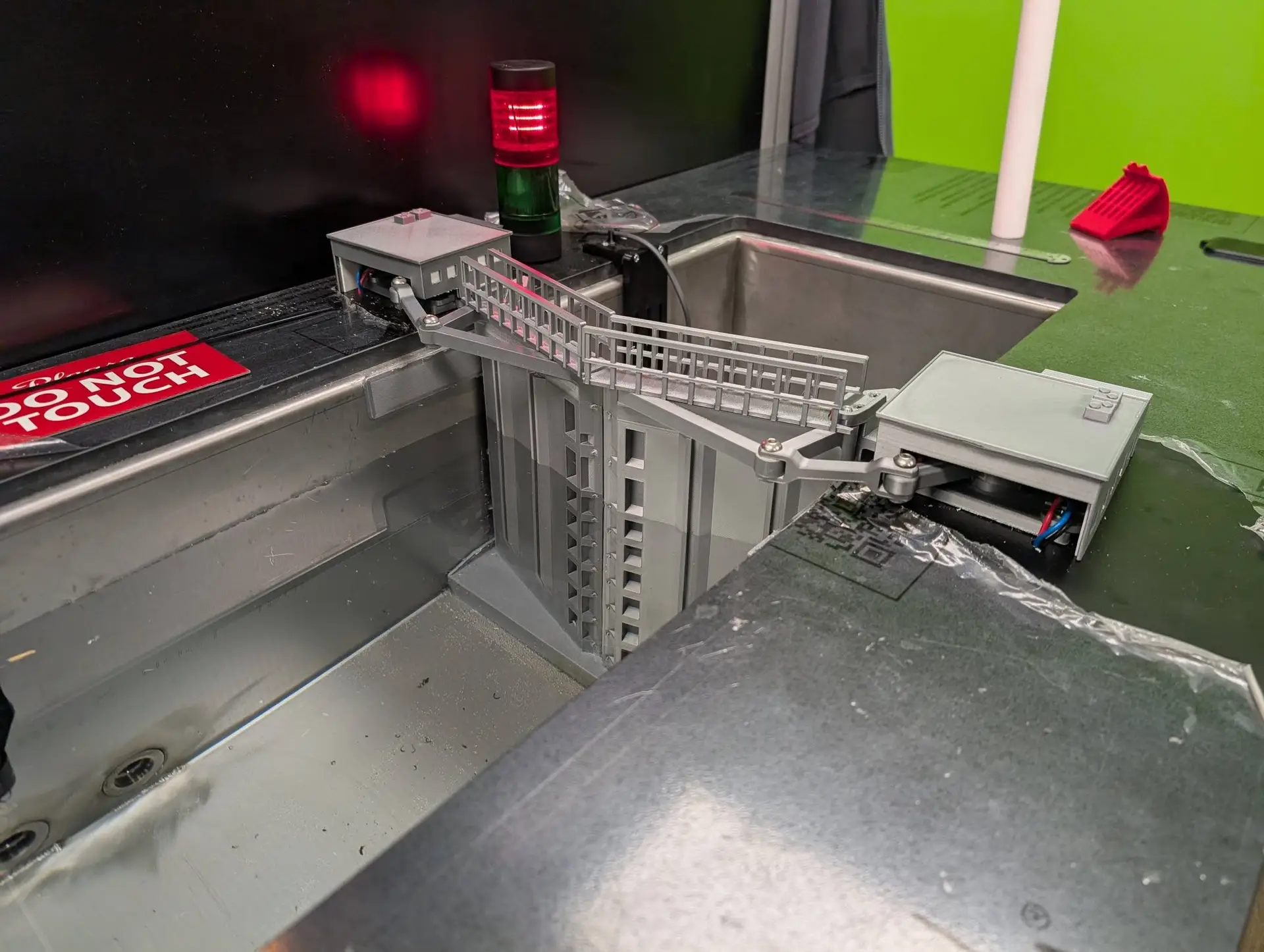
Our fabrication team designed a custom locking component, a precision-fit connector that allowed structural panels to lock together cleanly, align perfectly, and release for breakdown without tools. The component was prototyped via 3D printing, refined through two iterations based on real fit testing in our shop, and produced in final form for integration into the exhibit structure.
The result was a bespoke booth component that solved a real structural problem, reduced installation time, and eliminated a recurring issue across shows. No catalog vendor had it. We built it.
This is what specialty exhibit fabrication looks like in practice. Not novelty technology applied for its own sake. A specific capability applied to a specific problem.
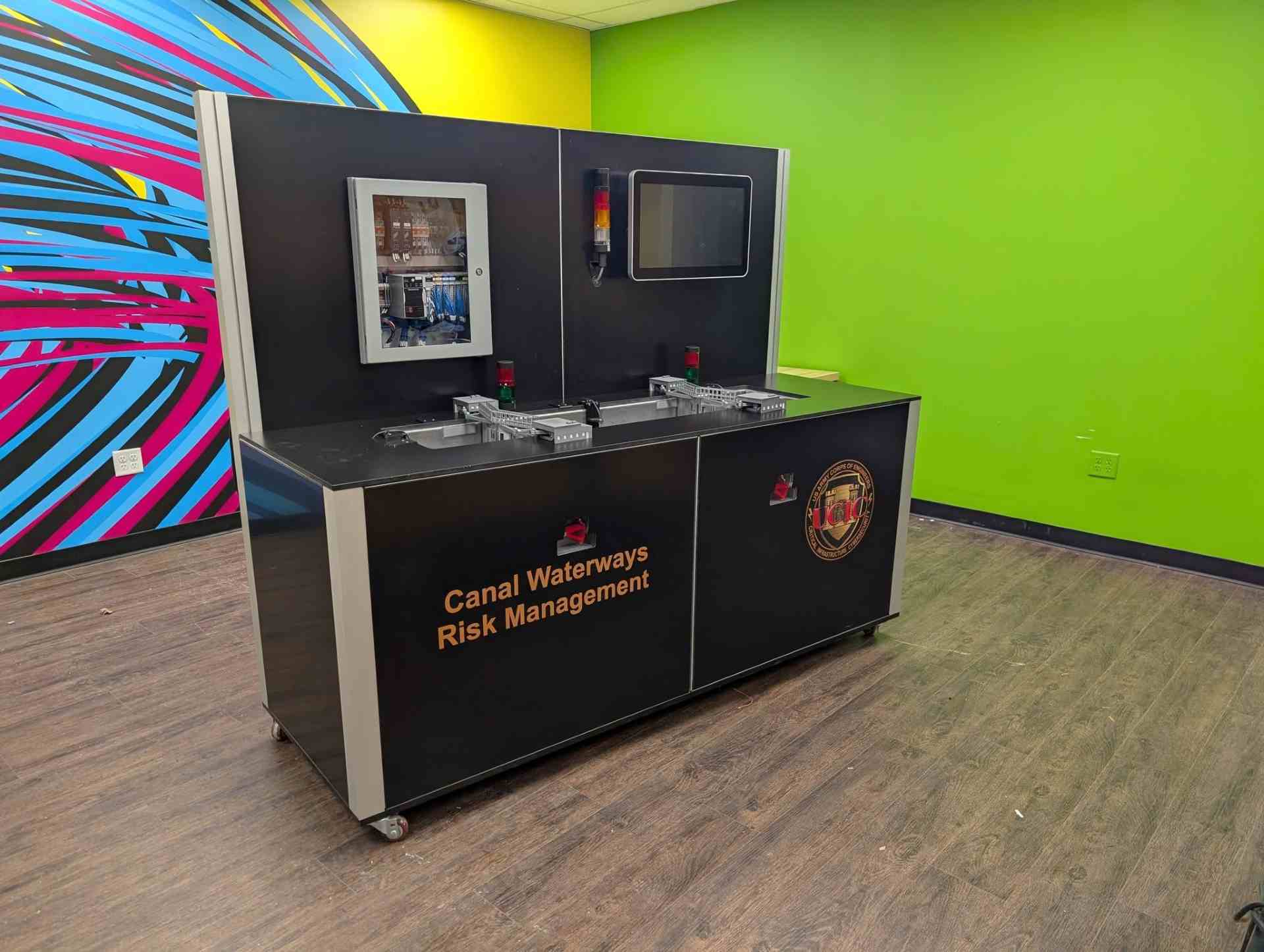
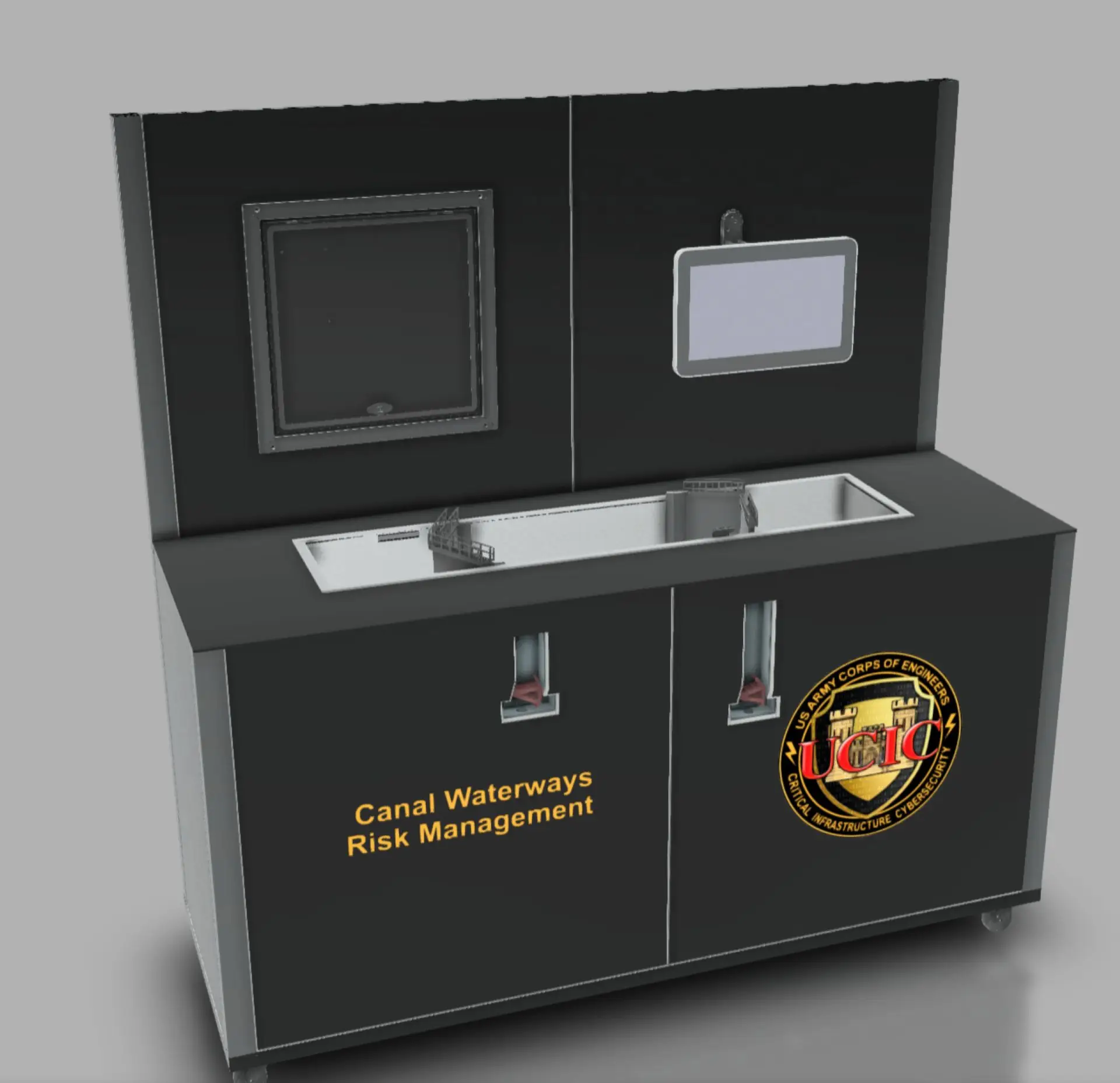
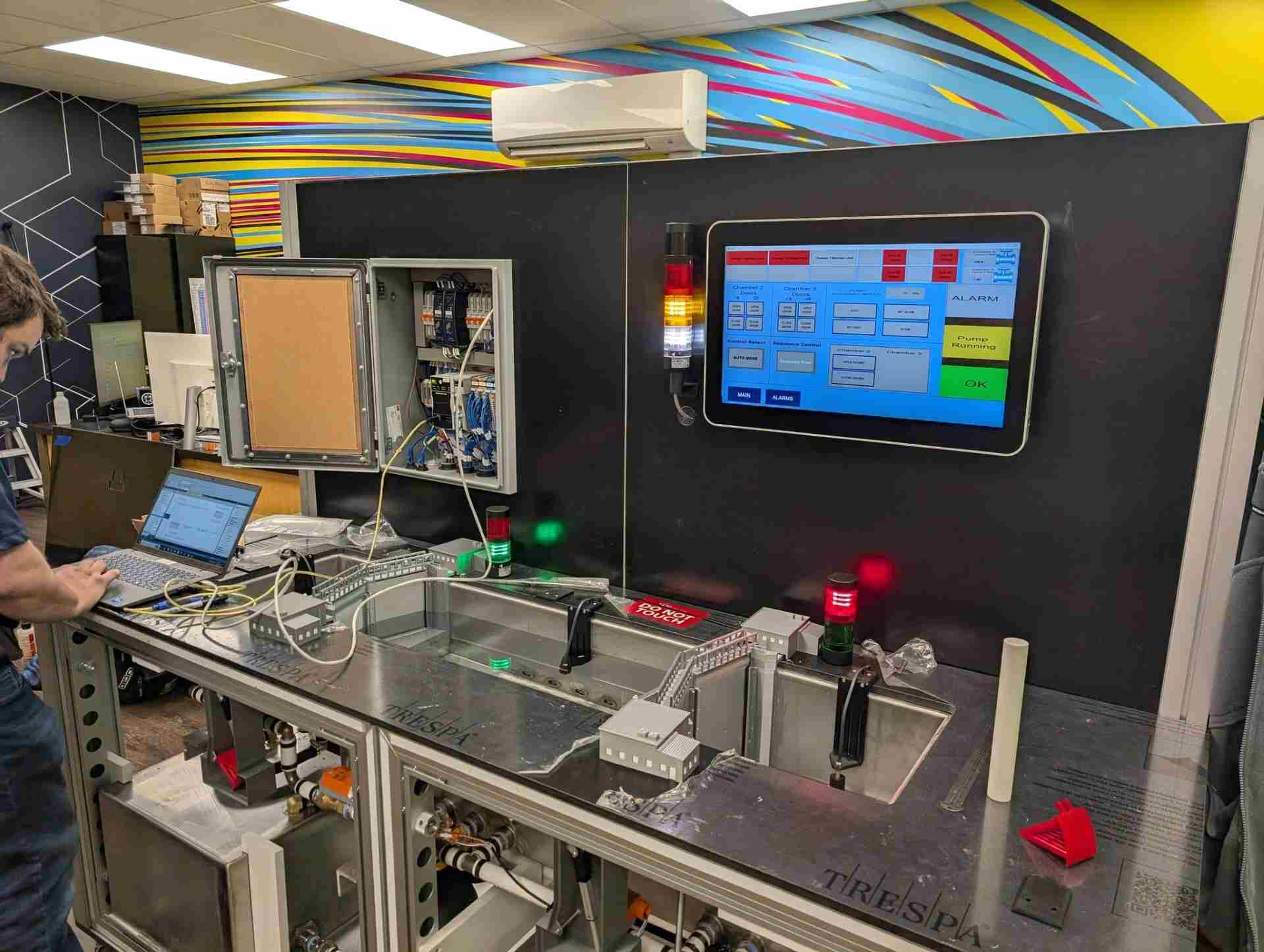
Intricate Brand Elements and Visual Details
3D printing gives exhibit designers access to levels of dimensional detail that were previously cost-prohibitive or structurally impractical. Brand elements that once had to remain as flat printed graphics can now be physical objects that command attention on the show floor.
Applications for 3D-printed brand elements in trade show exhibits include:
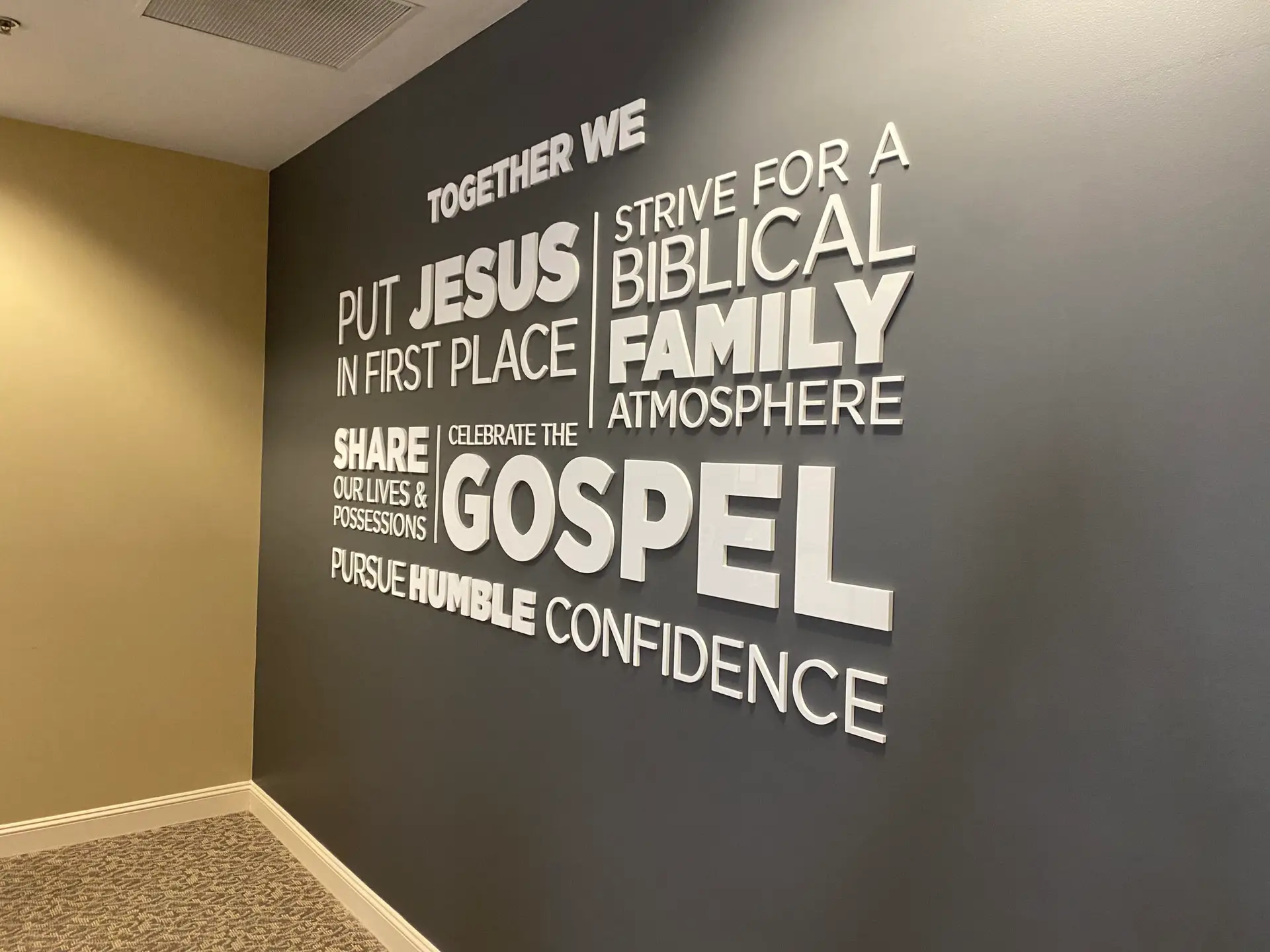
- Dimensional logos and wordmarks: Raised lettering and sculpted brand marks produced with consistent finish across multiple units
- Product replicas and props: Scaled display versions of products or components that need to be showcased physically but cannot be shipped or displayed as originals
- Decorative architectural detail: Repeating pattern elements, textured surface panels, and unique millwork details that would require expensive hand fabrication in other materials
- Custom signage holders and mounting systems: Discreet, branded hardware that keeps graphic elements in position without visible generic mounting
When graphics and dimensional elements are designed together from the start, the result is a more cohesive exhibit environment. 3D printing makes it practical to achieve that level of integration without significantly expanding the fabrication budget.
Our Custom Fabrication Process
Every custom exhibit project, regardless of the components involved, follows the same production framework.
- Discovery and Strategic Briefing: We begin with a thorough conversation about goals, brand standards, show requirements, and any specific component challenges before any design work starts. The more context we gather upfront, the better the outcome.
- Concept Design and Engineering: Approved concepts are translated into fully engineered CAD drawings. For components that will be 3D-printed, this phase defines the geometry, tolerances, and material specifications before production begins.
- Prototyping and Review: Complex or novel components are prototyped physically before full production. Clients review and approve before final fabrication. Adjustments happen in the shop, not on the show floor.
- Fabrication: Production runs across our woodshop, graphics team, and 3D printing operation in a coordinated sequence. Every component is tracked against the design documentation.
- Pre-Assembly and Quality Review: We build the complete exhibit in our facility before it ships. Every component, including any 3D-printed elements, is verified for fit, finish, and function before the exhibit leaves our shop.
What Exhibitors Who Need Custom Components Should Know
Exhibitors who have worked primarily with rental systems or prefab solutions sometimes underestimate how much is possible through custom exhibit fabrication. A few things worth knowing before starting the conversation:
- Lead time matters: Custom fabrication, including 3D-printed components, requires adequate production time. Most full custom builds require 10 to 14 weeks from approved design to installation-ready. The earlier our team is engaged, the more options are available.
- Specificity accelerates the process: The more clearly a client can describe the problem they need solved, the faster our team can design, prototype, and refine a solution. You do not need to know the technical answer. You need to describe what you need it to do.
- 3D printing is a means, not the point: The goal is always a component that performs within the exhibit environment. We select the right fabrication method based on what the design requires. Sometimes that is our woodshop. Sometimes it is 3D printing. Often it is both.
- Custom builds are long-term assets: Unlike rental systems, custom fabricated exhibits are built for repeated use. The investment in a bespoke booth component pays off across multiple shows.
Frequently Asked Questions: 3D Printing and Custom Fabrication
Can 3D printing be used to create custom trade show booth components?
Yes. 3D printing is a regular part of our custom exhibit fabrication process at Exhibit Studios. We use it to produce rapid prototypes for client review, one-off structural components, proprietary locking and connection hardware, dimensional brand elements, and specialty parts that do not exist in standard parts catalogs. Print method and material are selected based on the structural and aesthetic requirements of each application.
What are examples of custom fabrication for trade show exhibits?
Custom fabrication covers a wide range of work: structural cabinetry and millwork built to exact dimensions, custom counters and product display platforms, one-off components like dimensional logos or branded kiosk enclosures, specialty connection hardware for multi-show assembly, and architectural detail elements unique to the design. When 3D printing is part of the process, it typically appears as prototyped components, custom brackets, or dimensional brand marks that cannot be produced through standard methods.
How do exhibit companies make one-of-a-kind booth elements?
Full-service exhibit fabrication companies use a combination of production capabilities to build one-of-a-kind elements. Our process starts with CAD design and engineering to define the component precisely. Depending on the material and geometry, the component is produced through our woodshop, CNC routing, metal fabrication, or 3D printing. Complex or novel components are typically prototyped first to verify fit and finish before committing to final materials. Pre-assembly in our shop confirms that every element works together before the exhibit ships.
What is the difference between custom exhibit fabrication and a prefab booth system?
A prefab or rental booth system starts with a catalog of existing components and the design is constrained by what those components can produce. Custom exhibit fabrication starts with your goals, your brand, and your specific requirements, and builds components to match. Custom builds are owned assets engineered for durability and repeated use across multiple shows. For exhibitors who need something no catalog vendor can supply, custom fabrication is the answer.
How can I get a unique branded component made for my trade show exhibit?
The process starts with a discovery conversation. Our team works with you to understand exactly what the component needs to do, how it fits into the broader exhibit design, and what material and finish it requires. From there, we move through CAD design, prototyping where appropriate, and production. Contact Exhibit Studios to start that conversation.
Ready to Build What the Catalog Does Not Have?
If your next exhibit requires a component, a detail, or a structural solution that no standard vendor can supply, that is the kind of problem Exhibit Studios is built to solve. Our full production woodshop, graphics team, and 3D printing capabilities work together to deliver custom exhibit fabrication that performs on the show floor, show after show.
Contact Exhibit Studios to schedule your discovery consultation and start building something that could not exist any other way.